

Sunday morning in 2026 doesn’t mean rushing to find parking at the local church anymore. Instead, millions are slipping on their VR headsets and joining virtual congregations that span continents. What started as a pandemic necessity has evolved into something entirely different: immersive spiritual communities that offer everything from AI-powered prayer guidance to virtual mission trips to ancient Jerusalem.
The numbers tell the story. VirtueSpace, the leading VR church platform, hosts over 2.3 million weekly attendees across 15,000 virtual congregations. Their “Cathedral of Light” experience regularly draws 50,000 people for a single service, creating a sense of scale impossible in physical spaces. But these aren’t just digital replicas of traditional worship—they’re entirely new forms of spiritual and social connection that are reshaping how we think about community itself.
The Technology Behind the Transformation
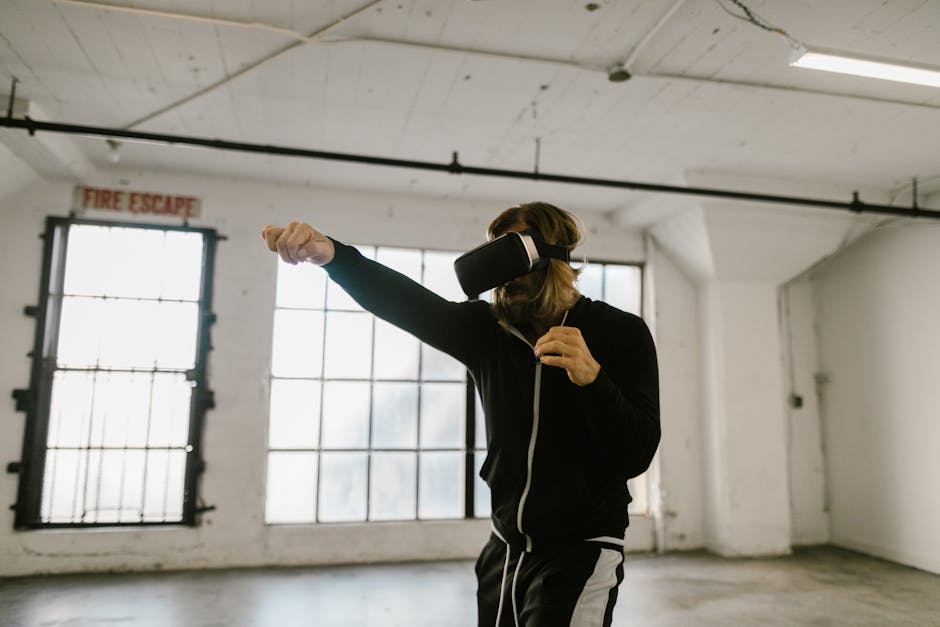
The Meta Quest 6 and Apple Vision Pro 2 have made virtual church attendance seamless. Gone are the bulky headsets of 2023—today’s devices weigh under 200 grams and offer 8K resolution per eye. The new haptic feedback systems let congregants feel the vibrations of choir music or the warmth of candlelight during prayer.
VirtueSpace’s “Divine Presence” engine uses spatial audio to create acoustics that rival the world’s greatest cathedrals. Their partnership with the Vatican resulted in a perfect digital recreation of St. Peter’s Basilica, complete with Michelangelo’s frescoes rendered in photorealistic detail. The experience includes historically accurate lighting that changes based on the time of day in Rome.
But the real innovation lies in the social features. The platform’s “Soul Connect” system uses AI to identify congregants with similar interests, struggles, or prayer requests. During virtual coffee hour, the system subtly guides conversations, creating deeper connections than many people achieve in physical churches. Sarah Chen, a software engineer from San Francisco, found her closest friend group through VirtueSpace after moving across the country. “I’ve never felt more spiritually supported,” she says.
Breaking Down Geographic Barriers
Virtual churches have solved Christianity’s oldest problem: access. Rural communities with declining populations can now access world-class preaching and vibrant congregations. Pastor Michael Torres of digital megachurch “Hillside Virtual” serves congregants from 47 countries. His Sunday service translates in real-time to 23 languages, with AI avatars delivering sermons that maintain his speaking style and gestures.
The platform’s “Mission Mode” takes this global reach further. Congregants can virtually visit partner churches in Kenya, India, or Brazil, participating in real community service projects through haptic-enabled interfaces. Last month, VirtueSpace users raised $2.8 million for flood relief in Bangladesh—all coordinated through virtual fundraising events that felt more engaging than traditional online campaigns.
Beyond Worship: The Complete Social Ecosystem
What makes VR churches genuine social hubs isn’t the Sunday service—it’s everything else. These platforms have become comprehensive community spaces that rival physical neighborhoods for social connection.
VirtueSpace’s “Living Faith” feature creates persistent virtual environments where members gather throughout the week. The digital church campus includes prayer gardens where people meditate together in silence, study halls for Bible discussion groups, and recreational spaces for church leagues playing virtual sports. Youth pastor Jennifer Walsh runs a Minecraft-style building ministry where teenagers construct virtual homeless shelters, learning about service while developing real-world construction skills.
The platform’s calendar system integrates seamlessly with daily life. Members receive gentle notifications for community events, volunteer opportunities, and prayer requests from friends. The AI pastoral care system, trained on theological texts and counseling techniques, provides 24/7 support for members dealing with depression, anxiety, or spiritual questions.
The Economics of Virtual Faith
Virtual churches operate on radically different economics than traditional congregations. Without building maintenance, utilities, or geographic constraints, resources flow directly to programming and outreach. VirtueSpace’s subscription model costs $12 monthly per family—less than most streaming services—yet generates enough revenue to support innovative features like AI-powered sermon personalization and virtual reality mission trips.
Traditional tithing has evolved too. The platform’s “Impact Visualization” shows exactly how donations create change, whether funding virtual reality equipment for imprisoned populations or supporting real-world food banks. Transparency levels impossible in traditional churches have increased giving by 340% compared to pre-VR baselines.
The Social Psychology of Virtual Community
Dr. Amanda Rodriguez, who studies digital communities at Stanford’s Virtual Interaction Lab, has been tracking VR church participants since 2024. Her research reveals surprising psychological benefits. “The anonymity options in virtual spaces actually encourage more authentic spiritual expression,” she explains. “People share struggles they’d never voice in physical churches.”
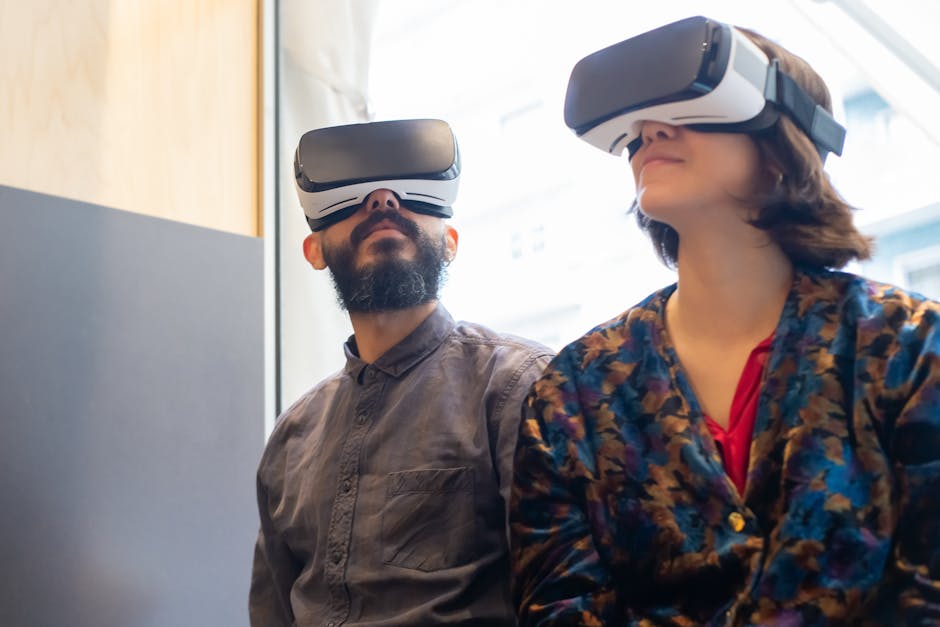
The “Avatar Effect” plays a crucial role. VirtueSpace allows congregants to customize their appearance, leading many to choose idealized versions of themselves. This psychological boost carries over into real life, with 78% of regular users reporting increased confidence and social connection outside VR.
The platform’s “Prayer Wall” demonstrates this authenticity. Unlike social media’s curated highlights, the Prayer Wall features raw requests for help with addiction, financial struggles, and relationship problems. The response rate is remarkable—94% of prayer requests receive personal responses within 24 hours, creating support networks that span continents.
Challenges and Controversies
Virtual churches face legitimate criticism. Traditional denominations worry about theological oversight and the loss of physical community elements like shared meals or hands-on service projects. The Catholic Church has been particularly cautious, approving VR viewing of Mass but stopping short of recognizing virtual communion as valid.
Technical issues persist. Server crashes during Easter services in 2025 left thousands unable to participate in their most important holiday. Privacy concerns around AI pastoral care have prompted new regulations requiring explicit consent for emotional data collection.
Some members struggle with VR addiction, spending 6+ hours daily in virtual church environments to avoid real-world problems. VirtueSpace has implemented usage monitoring and mandatory “digital sabbath” periods, but the balance between engagement and addiction remains delicate.
The Future of Faith Communities
By 2026, the line between virtual and physical church has blurred beyond recognition. Hybrid congregations seamlessly blend in-person and VR attendance for single services. Physical churches are installing VR stations for members to visit partner congregations worldwide during a single Sunday morning.
The technology continues advancing. Brain-computer interfaces are being tested for direct spiritual experiences, though ethical concerns have slowed adoption. Augmented reality features allow virtual prayer groups to meet in physical locations, overlaying digital elements onto real-world spaces.
For millions of people in 2026, virtual churches provide something traditional congregations couldn’t: accessible, authentic spiritual community without geographic, physical, or social barriers. Whether this represents the future of faith or a concerning departure from tradition may depend on your perspective, but the numbers suggest virtual congregations are here to stay.
The question isn’t whether virtual churches will continue growing—it’s whether traditional churches can adapt quickly enough to remain relevant in an increasingly digital world.