

Netflix just canceled another book adaptation after one season. Meanwhile, *Serial* has 300 million downloads, and Spotify paid $100 million for Joe Rogan’s podcast. The writing is on the wall—or rather, it’s not on pages anymore.
Publishers are scrambling to understand why their biggest bestsellers can’t hold audiences the way a true crime podcast recorded in someone’s basement can. The answer isn’t just about format preference. Audio-first storytelling creates intimacy, allows for real-time engagement, and builds communities in ways traditional publishing never could. By 2026, the most successful storytellers won’t be those who write the best books, but those who master the art of spoken narrative.
##
The Intimacy Factor: Why Ears Beat Eyes
Audio storytelling creates a neurological intimacy that text cannot match. When you read Stephen King’s *It*, you’re processing symbols on a page. When you listen to Joe Hill narrate his own *Heart-Shaped Box*, his voice is literally inside your head—the same neural pathway your internal monologue uses.
This intimacy explains why podcast audiences show 85% higher brand recall than traditional media consumers, according to Spotify’s 2024 advertising effectiveness study. Fiction podcasts like *Welcome to Night Vale* and *The Magnus Archives* have built cult followings not through marketing budgets, but through the unique psychological connection audio creates.
The numbers support this shift. Audible’s revenue grew 25% in 2024, while print book sales dropped 3%. More telling: debut fiction podcasts are averaging 50,000 downloads per episode within six months, while debut novels average 3,000 copies sold in their first year.
Case Study: *Sandman* Success
Neil Gaiman’s *The Sandman* audio series demonstrates this perfectly. Despite the graphic novel selling millions of copies and spawning a Netflix series, the audio version—featuring James McAvoy, Riz Ahmed, and a full cast—became Audible’s most successful original production. Gaiman reported that listeners discovered character nuances and story layers they’d missed in previous formats.
The production budget was $2 million, significantly less than Netflix’s reported $165 million for the visual adaptation. Yet the audio version maintains a 4.8/5 rating across platforms, while the TV series sits at 6.8/10 on IMDb.
##
Real-Time Engagement Changes Everything
Traditional publishing operates on glacial timelines. Write, edit, publish, hope for reviews months later. Audio-first creators can respond to audience feedback within days, adjust storylines based on listener reactions, and build anticipation through serialization.
*The Left Right Game* started as a Reddit story, became a podcast, then landed a TV deal with Amazon. Creator Jack Anderson modified the audio series based on real-time listener theories and feedback posted in Reddit communities. This isn’t possible with traditional publishing’s locked-in timelines.

The Serialization Advantage
Podcast fiction revives the serial novel format that made Dickens famous. *Archive 81* released episodes biweekly, building community discussion between releases. Fans created detailed wikis, character relationship charts, and theory videos. By the time Netflix adapted it, the built-in audience was primed and engaged.
Compare this to traditional novel releases. Publishers spend months building to a single launch day, then watch momentum fade within weeks. Podcast fiction maintains engagement across months or years of consistent releases.
##
Production Democratization: The Creator Economy Shift
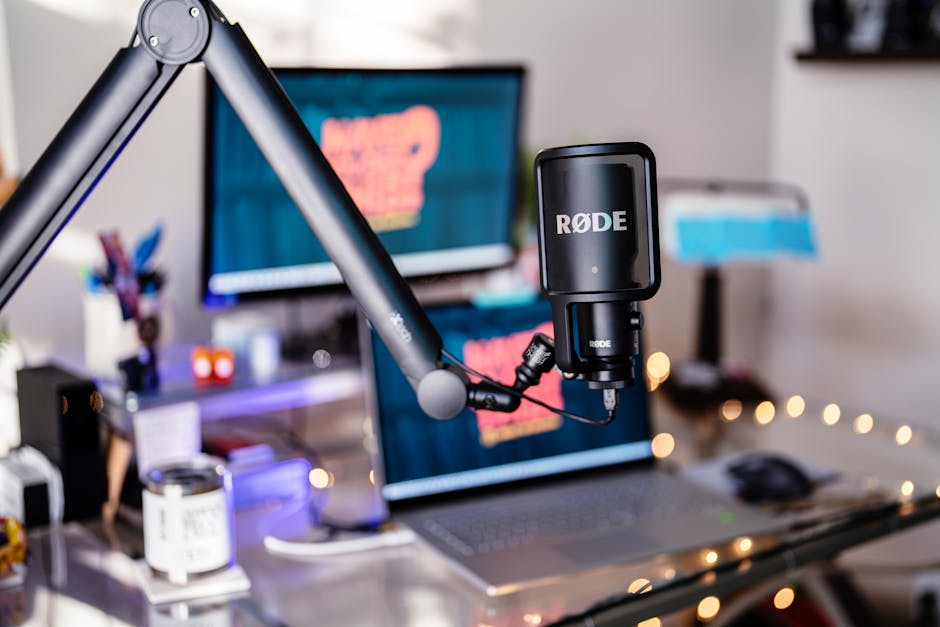
You need $50,000 minimum to properly publish and market a novel. You can create professional-quality podcast fiction for under $2,000. This cost barrier elimination is flooding the market with diverse voices previously shut out of traditional publishing.
Equipment breakdown for professional podcast fiction:
– Audio interface: Focusrite Scarlett Solo ($120)
– Microphone: Audio-Technica AT2020 ($149)
– Headphones: Sony MDR-7506 ($100)
– Software: Reaper license ($60)
– Hosting: Anchor (free) or Libsyn ($15/month)
Success Stories from Bedroom Studios
*The Black Tapes* was recorded in a Vancouver apartment using equipment under $1,000. It became one of iTunes’ top fiction podcasts and spawned a multimedia franchise. Traditional publishing wouldn’t have touched this concept—a fictional documentary investigating paranormal mysteries—because it doesn’t fit established genre categories.
*Alice Isn’t Dead* creator Joseph Fink started with a $200 microphone and free editing software. The podcast generated enough revenue through Patreon and merchandise to fund a novel adaptation, reversing the traditional publishing model.
##
Platform Power: Where Audiences Actually Live
Spotify has 500 million active users. Apple Podcasts has 1 billion subscribers across 170 countries. Amazon’s Kindle has 100 million users globally. The math is simple: audio platforms have 5x the reach of e-reading platforms.
More importantly, podcast listeners are more engaged. The average podcast episode retention rate is 80%, while e-book completion rates hover around 60%. Fiction podcasts see even higher retention—*Welcome to Night Vale* maintains 90%+ completion rates across episodes.
Discoverability Advantages
Podcast platforms use algorithmic recommendation engines that surface content based on listening behavior, not just metadata keywords. A horror fiction podcast gets recommended alongside true crime shows, comedy podcasts, and mystery series. This cross-pollination creates discovery opportunities impossible in traditional bookstore categories.
Apple Podcasts’ “Up Next” feature has driven 40% of new fiction podcast discoveries in 2024. Spotify’s “Discover Weekly” for podcasts launches in early 2025, promising even more algorithmic discovery for fiction content.
##
Monetization Models That Actually Work
Traditional publishing offers authors 10-15% royalties after recouping advances. Successful fiction podcasters keep 70-90% of revenue through direct monetization: Patreon subscriptions, premium episodes, merchandise, live shows, and brand partnerships.
*The Magnus Archives* generates over $40,000 monthly through Patreon alone. *Welcome to Night Vale* sells out 2,000-seat theaters for live shows at $50+ per ticket. These revenue streams remain unavailable to traditional novelists without massive publishing house support.
The direct fan relationship creates sustainable income. Fiction podcasters know their audience demographics, engagement patterns, and spending habits. Traditional authors rely on publishers for this data—if they get it at all.
By 2026, successful storytellers will think audio-first, using voice as their primary medium and treating text adaptations as secondary products. The intimacy, engagement, and economic advantages of audio fiction aren’t trends—they’re the new foundation of storytelling. Writers who adapt now will build the audiences and revenue streams that traditional publishing can no longer provide.