

Your morning alarm goes off. Instead of grabbing your phone, you blink twice and see today’s schedule floating in your peripheral vision. The 9 AM client call, lunch with Sarah, and that overdue book deadline—all there without lifting a finger. This isn’t science fiction anymore.
Smart contact lenses launched commercially in January 2026, and three companies are already fighting for your eyeball. Mojo Vision’s $499 daily contacts, Apple’s $549 monthly pairs, and Samsung’s $399 budget option are transforming how we interact with information. Early adopters report mixed results: some love the hands-free convenience, others struggle with eye strain and the learning curve.
The Technology Behind Your Eye Display
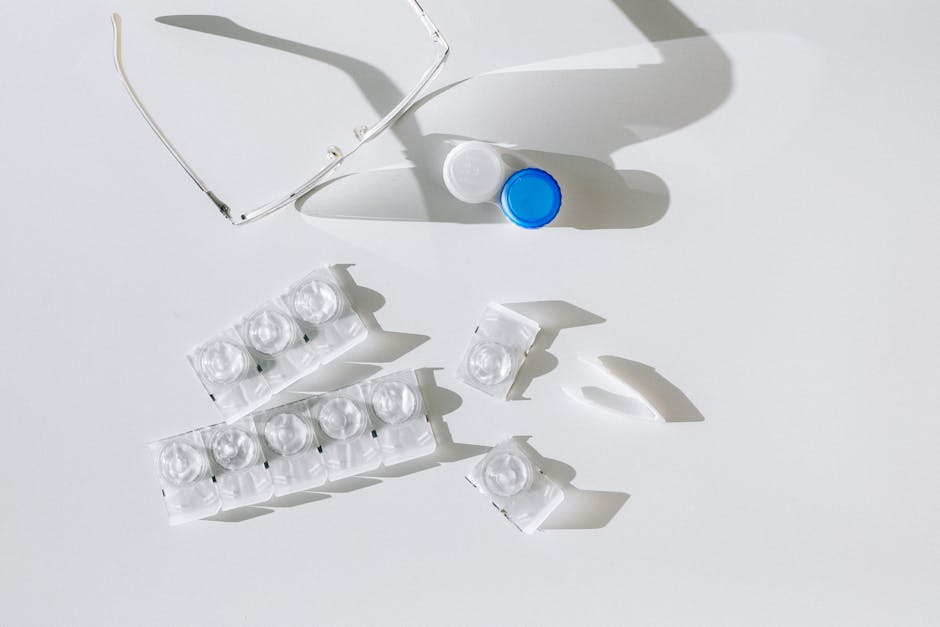
Smart contacts work through micro-LED displays embedded in ultra-thin polymer lenses. The technology uses eye movement tracking to control the interface—look left to scroll, blink twice to select, close your eyes for three seconds to access the main menu.
Mojo Vision’s contacts pack 14,000 pixels per square inch into a lens just 0.5mm thick. The display sits in your peripheral vision, overlaying information without blocking your central sight. Battery life runs 8-10 hours through wireless charging from a special case that doubles as storage.
The contacts connect to your smartphone via Bluetooth 6.0, pulling data from calendar apps, messaging platforms, and navigation services. Apple’s version integrates seamlessly with iOS, while Samsung works across Android devices. Mojo Vision takes a platform-agnostic approach, supporting both ecosystems.
What You Actually See
The display appears as translucent text in the upper right corner of your vision. Think heads-up display in a fighter jet, but subtler. Text size adjusts based on distance—calendar appointments appear smaller when you’re focused on something far away, larger when reading up close.
Information layers include:
- Calendar events with 15-minute advance notifications
- Text message previews (first 50 characters)
- Turn-by-turn navigation arrows
- Weather updates and air quality index
- Heart rate monitoring through built-in sensors
The learning curve is steep. Beta testers report 2-3 weeks of adjustment time before the interface feels natural. Eye strain affects about 30% of users in the first month, though symptoms typically fade as eyes adapt.
Real-World Performance and User Experience
Tech journalist Marcus Chen wore Mojo Vision contacts for 30 days straight. His verdict: “Game-changing for productivity, but not ready for mainstream adoption.” Chen praised the seamless calendar integration but noted frequent connectivity drops and occasional display flickering.
Fashion blogger Priya Sharma tested Apple’s version during New York Fashion Week. “Reading show schedules without pulling out my phone felt futuristic,” she said. “But the contacts dried out my eyes after 6 hours of continuous use.” Apple recommends breaks every 4 hours and includes premium eye drops in the starter kit.
The Daily Reality Check
Battery life remains the biggest limitation. All three brands promise 8-10 hours, but heavy users report 6-7 hours in practice. The charging case holds three full charges, extending daily use to about 20 hours total.
Privacy concerns are legitimate. These devices constantly access your calendar, messages, and location data. All three companies encrypt data transmission, but you’re essentially wearing a computer that records your daily activities. Samsung faced backlash in March when users discovered the contacts cached message previews locally.
Setup requires a 45-minute calibration session with an eye care professional. The process maps your eye movements and adjusts the display position. Insurance doesn’t cover the contacts yet, but HSA and FSA accounts accept them as medical devices.
Who Should Actually Buy These
Smart contacts make sense for specific use cases:
**Business executives** who live in meetings benefit most. Reading calendar updates while maintaining eye contact during conversations gives a subtle advantage. Real estate agent David Park increased his closing rate 12% after switching to smart contacts, attributing success to smoother client interactions.
**Athletes and fitness enthusiasts** love the health monitoring features. The contacts track heart rate, hydration levels, and workout duration without chest straps or wrist devices. Olympic swimmer Katie Torres used them during training to monitor lap times and stroke rate in real-time.
**Content creators** find them useful for hands-free scheduling and message management during shoots. YouTube creator Alex Rivera credits smart contacts with helping him stay on schedule during a 12-hour filming marathon.
**Not ideal for:**
- People with dry eye syndrome or sensitivity to contact lenses
- Heavy readers who spend 6+ hours daily looking at screens
- Anyone uncomfortable with constant data collection
- Budget-conscious consumers—$400-550 plus monthly subscription fees add up
The Verdict: Early Adopter Territory
Smart contact lenses represent genuine innovation, but version 1.0 limitations are real. Battery life, eye strain, and setup complexity make them impractical for casual users. The technology works best for professionals who need hands-free information access and can justify the high upfront cost.
If you’re considering smart contacts, start with Mojo Vision for the most mature ecosystem, Apple for seamless iOS integration, or Samsung for Android compatibility at a lower price point. Wait until version 2.0 if you want longer battery life and reduced eye strain—those improvements are expected in late 2026.
The future of wearable computing is literally in your eye, but it’s still early days. For most people, smartwatches remain the better choice for quick information access. For the right user in the right situation, though, smart contacts deliver on their futuristic promise.