

Gratitude lists tend to reach for the big and the solemn. The one a Lit Hub writer put together for the holiday goes small, specific and a little strange, and it’s better for it.
Twenty-three entries, one of them peanuts.
Read straight through, the list works as a portrait of a reading life as it is actually lived: on a floor mid-stretch, at a bookstore counter, on a train with a paperback held up to a stranger. It lingers on the habits and encounters that surround reading, and on the people who keep the machinery running.
The Rituals Around the Page
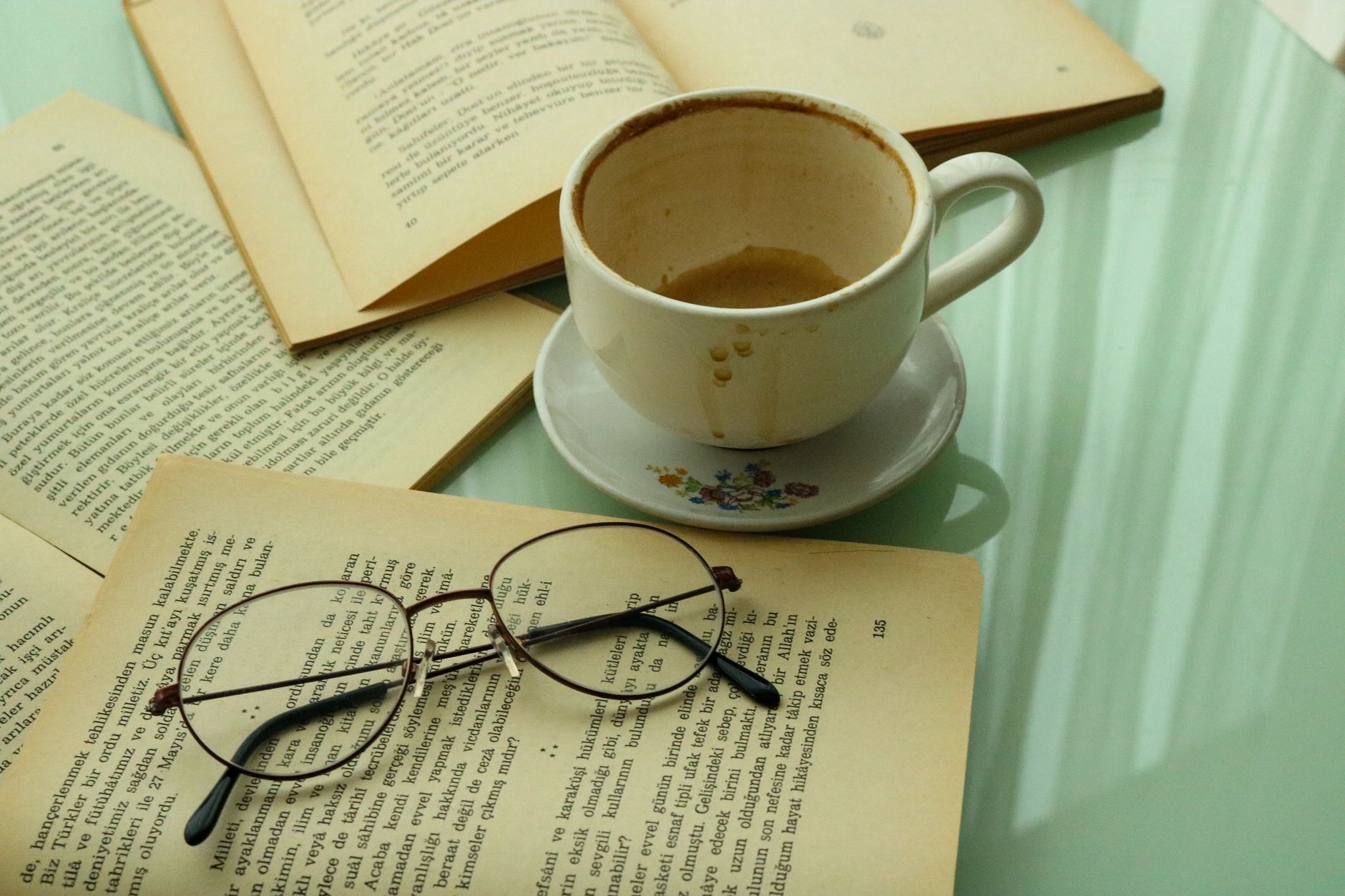
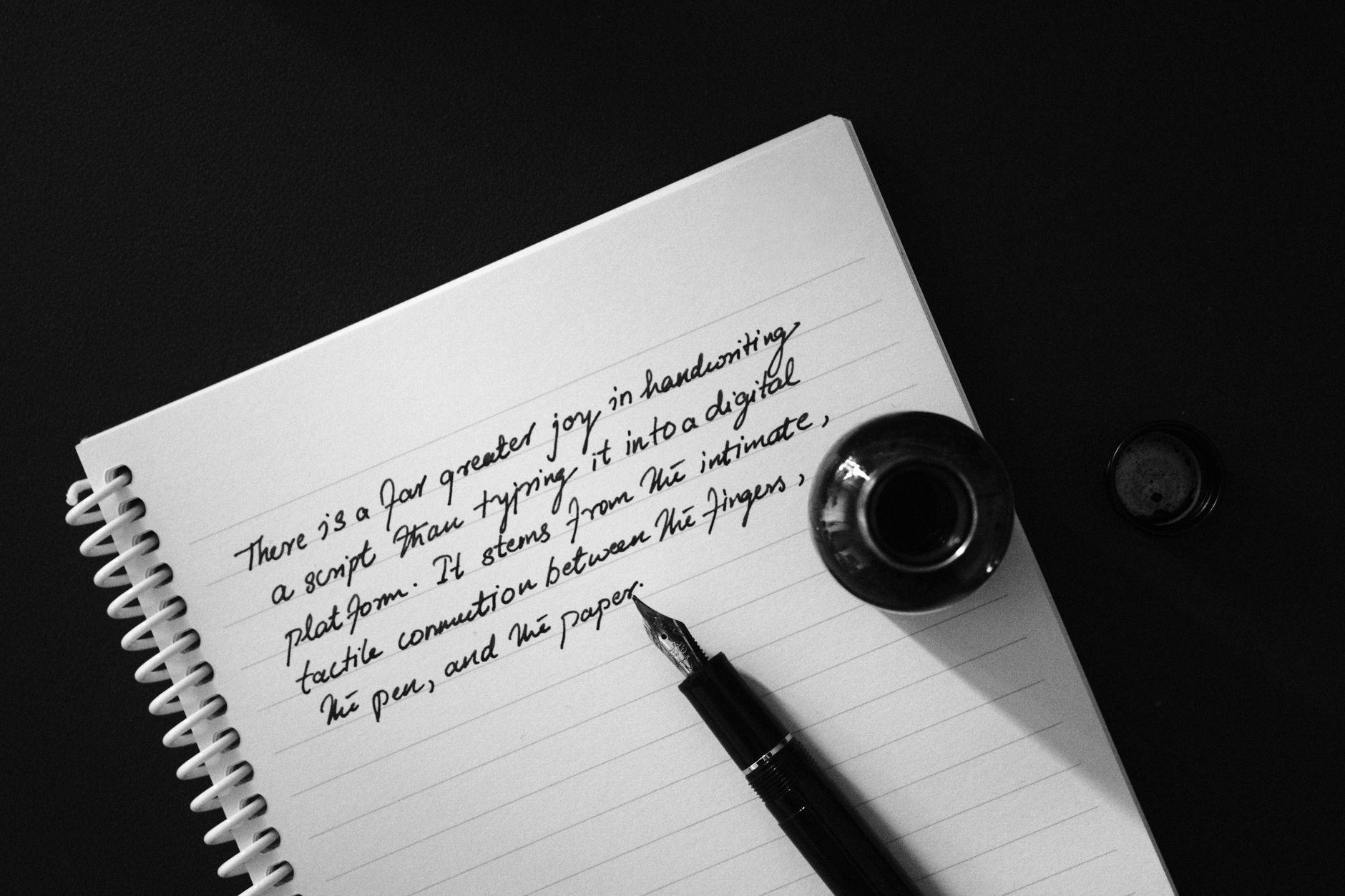
Some of the best entries are physical. The writer is grateful for a really good pen, and says twice lately a small bookstore coupon went toward a luxe one instead of another paperback. The advice is to treat yourself to a fine writing instrument. There’s also a snack recommendation, peanuts, billed as “a perfect snack for reading.” And there’s the small book that can be finished in an afternoon, paired with the rarer luxury of an afternoon free to read it.
Then there’s the poem habit. The writer listens to a poem during daily stretches, drawing on the Library of Congress and Poetry Archive collections. That’s a nice use of two institutional archives: a recording of a poet’s voice turned into a morning warm-up. The list also contains a wish, in the form of advance thanks to whichever programmer builds a little widget or website that streams a random poem from those archives. If that person exists, the request is on the record.
The social rituals matter just as much. The writer is thankful for weird, in-person celebrations of books, and for the small thrill of finding something cool in a pile of books somebody is giving away. Best of all is the stranger moment, when someone points at your book from across a room, you close it and hold up the cover, and they answer with a thumbs up. No words, no introductions. The whole exchange takes about three seconds, and apparently it stays with you.
Writers, Presses and the People Who Sell the Books
On the reading side, the list is openly enthusiastic. The new Marlon James gets a “damn,” with an admission of arriving late to the party. Marilynne Robinson earns a line that’s hard to improve on: her middle name is Summers, but she’s an autumn writer. Funny novels with funny first-person narrators get their own entry. So does the experience of trying to explain Gene Wolfe’s deal to someone for the first time, which sounds like a task that is half joy and half hazard. The writer also appreciates an author who is really going for it and trying something new, regardless of the outcome. A parenthetical adds “usually,” which is honest.
The industry items are the most pointed. The writer is glad that the major book awards are no longer afraid of support for Palestine, and names Paradiso 17 and Huna as winning NBAs. Small presses get thanks for the cool and weird things they’re willing to take a chance on. The list also gives a nod to an interview with Adam Peterson, conducted for the release of his story collection, and to Flaming Hydra, in particular Luke O’Neil’s recent New England Week, which the writer is rereading while packing for a holiday trip to Boston. Olga Ravn’s gift guide, which includes ibuprofen and haunted dolls, gets a mention too.
One entry takes a firm position. The writer is thankful for the tide continuing to turn against AI, and hopes we may soon see its high water mark. It’s a single line on a list otherwise full of peanuts and pens, but the placement is telling: the argument here is for books made by people who are taking risks, and for the readers and sellers who carry those books to each other.
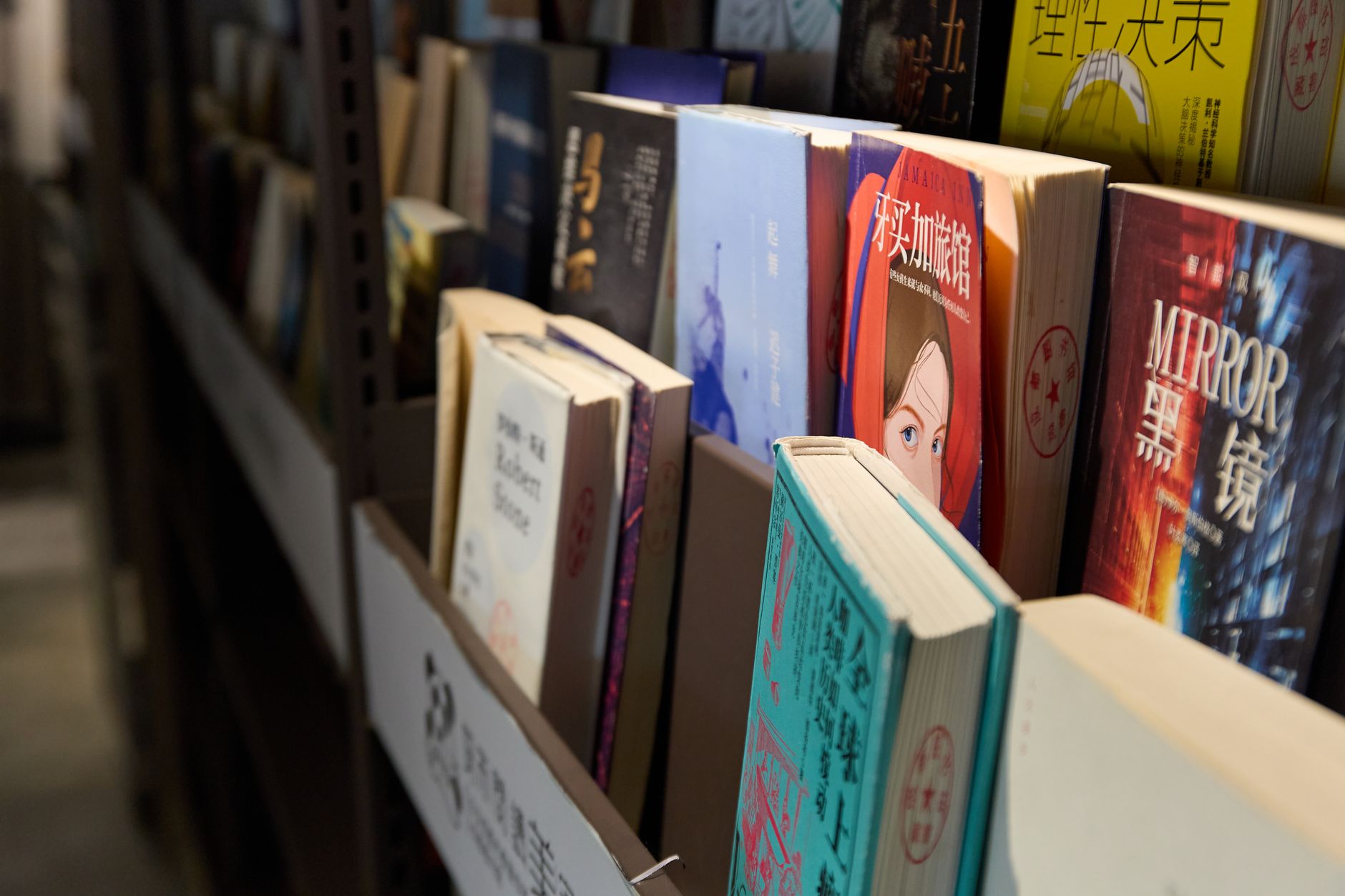
Two entries thank the people at the counter and the desk. Booksellers are in the middle of their most hectic season, and the writer is grateful to everyone who treats them reasonably this time of year. Librarians, the next line points out, are always in the middle of hectic season. It’s a short, dry joke that doubles as a reminder.
The list’s most tender detail may be the seven-month-old. The writer’s son is already showing preferences for books, and he chews on the ones he likes. The writer chews on the books they like too, and is thankful the baby inherited the trait. It’s the funniest line on the list, and it carries a quiet claim: that taste can start before language, and that loving a book is, at first, a physical act.
The final entry belongs to the friend who asks for a book recommendation, actually reads the recommendation, and reports back that they liked it. The writer’s verdict: no better feeling in the world. After twenty-two items about pens, poems, prizes and presses, the last one is about a text message that says “you were right, I loved it.”
One practical question remains from all this: is somebody out there building that random-poem widget?