

Hermès just unveiled a handbag made from mushroom leather that costs $12,000 and has a three-year waiting list. Stella McCartney’s latest collection features biofabricated silk grown in laboratories, not harvested from silkworms. Meanwhile, Adidas is shipping sneakers with soles made from algae foam that biodegrades in 200 days instead of 200 years.
This isn’t experimental fashion anymore. Bioengineered materials have moved from science labs to luxury runways, and 2026 marks the tipping point where lab-grown fashion becomes the ultimate status symbol. The wealthy aren’t just buying clothes—they’re buying the future.
The Science Behind Your Next Designer Purchase
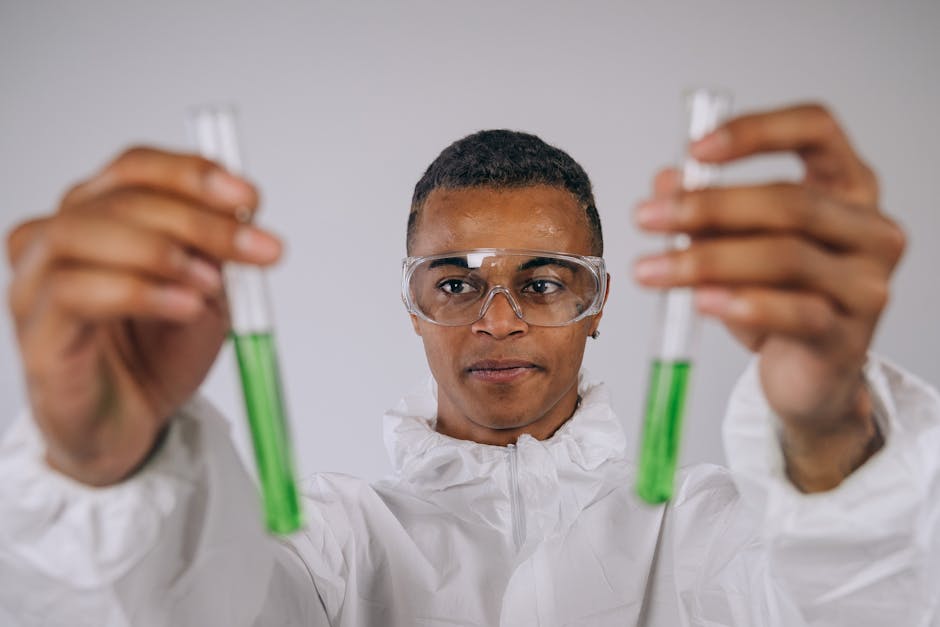
Biofabricated materials start with living organisms—bacteria, fungi, algae, or lab-grown animal cells—that produce fibers, proteins, or polymers identical to traditional materials. Bolt Threads grows Mylo leather from mushroom roots in controlled environments, creating material that looks and feels like premium calf leather. Modern Meadow cultures collagen proteins to produce Zoa bioleather without slaughter.
The process takes weeks, not years. Traditional leather requires raising cattle for 18-24 months, then tanning with harsh chemicals. Mylo leather grows in two weeks using agricultural waste. Lab-grown silk from Spiber uses engineered bacteria to produce spider silk proteins, creating threads five times stronger than steel by weight.
What Makes Bioengineered Materials Luxury
Three factors drive the premium positioning. First, production complexity requires specialized facilities costing millions to build. Second, limited capacity creates natural scarcity—Bolt Threads produces thousands of square feet monthly, while traditional tanneries process millions. Third, customization possibilities exceed anything nature offers.
VitroLabs grows leather with predetermined thickness, texture, and even embedded patterns at the cellular level. Biofabricated materials can integrate functional properties impossible in traditional textiles—antimicrobial surfaces, color-changing fibers, or temperature regulation built into the molecular structure.
Who’s Wearing What in 2026
Luxury brands position bioengineered materials as ultra-premium options. Hermès’ Victoria bag uses Mylo leather exclusively for limited releases, pricing 40% above traditional leather equivalents. The scarcity justifies the premium—only 500 pieces quarterly.
Kering Group, parent to Gucci and Saint Laurent, invested $50 million in biotech partnerships. Gucci’s 1955 Horsebit bag now comes in lab-grown leather for $4,200, compared to $3,200 for traditional versions. The bioengineered version sells out within hours.
Athletic luxury follows different patterns. Lululemon’s bio-fabric yoga pants use algae-derived fibers that regulate temperature and resist odor naturally. At $298, they cost double standard versions but offer performance benefits impossible with traditional materials.
The Celebrity Factor
Emma Watson wore a Stella McCartney gown made from lab-grown silk to the Met Gala, generating 50 million social media impressions. Leonardo DiCaprio exclusively wears Allbirds shoes with algae foam soles at public events. Billie Eilish’s custom Nike Air Jordans use mushroom leather, sparking a collaboration that sold 10,000 pairs in minutes.
Celebrity adoption accelerates mainstream acceptance. When Rihanna’s Fenty brand announces bioengineered collections, searches for “lab-grown fashion” spike 400%. These endorsements transform experimental materials into must-have luxury items.

The Investment Play Behind the Hype
Venture capital poured $1.8 billion into fashion biotech in 2025, triple the previous year. Major brands hedge against material scarcity and environmental regulations by securing supply chains now. LVMH invested $100 million across eight biotech startups, ensuring exclusive access to breakthrough materials.
Production costs drop rapidly with scale. Biofabricated leather cost $500 per square foot in 2020, $50 in 2024, and projects to $15 by 2027. At that price point, bioengineered materials become cost-competitive with premium traditional options while maintaining luxury positioning through limited availability.
The Sustainability Premium
Environmental concerns drive luxury consumers toward bioengineered options. Traditional leather production requires 17,000 liters of water per kilogram. Mylo leather uses 99% less water and generates 96% fewer carbon emissions. Lab-grown cotton eliminates pesticide use entirely.
Luxury brands leverage these metrics in marketing. Patagonia’s bio-down jackets cost $150 more than traditional versions but eliminate animal harvesting entirely. The brand markets emotional benefits alongside functional ones—customers feel better about their purchases.
Regulatory pressures accelerate adoption. California’s 2025 ban on fur sales pushed brands toward alternatives. Similar regulations targeting leather tanning and textile dyes create market opportunities for bioengineered substitutes that sidestep environmental restrictions.
What This Means for Your Wardrobe
Bioengineered fashion represents the convergence of technology, sustainability, and luxury positioning. Early adopters pay premium prices for limited quantities, but mainstream availability follows within 2-3 years. The pattern mirrors electric vehicles—luxury introduction, followed by mass-market expansion.
Start with accessories if you want to experiment. Bioengineered leather handbags and shoes offer the most dramatic quality differences compared to traditional alternatives. Avoid first-generation clothing items, which still lag behind traditional textiles in comfort and durability.
Watch for partnerships between established luxury brands and biotech companies. These collaborations typically produce higher-quality products than startup brands working alone. Hermès-Mylo partnerships outperform independent mushroom leather brands in durability testing.
The luxury fashion industry has found its next frontier in laboratory-grown materials. By 2026, owning bioengineered pieces signals both wealth and values—the ultimate modern luxury positioning. Whether this represents genuine innovation or clever marketing matters less than market reality: lab-grown fashion is here, expensive, and increasingly essential for luxury wardrobes.