

A worn American Apparel crop top just sold for $89 on Vestiaire Collective. The same piece retailed for $28 in 2014. Welcome to the 2010s revival, where millennials have turned their closet regrets into gold mines.
The fashion cycle typically runs on a 20-year loop, but social media has compressed this timeline. TikTok influencers are already mining 2010s aesthetics for content, and rental platforms report a 340% increase in searches for “2010s fashion” since January 2024. What started as ironic nostalgia has become serious business.
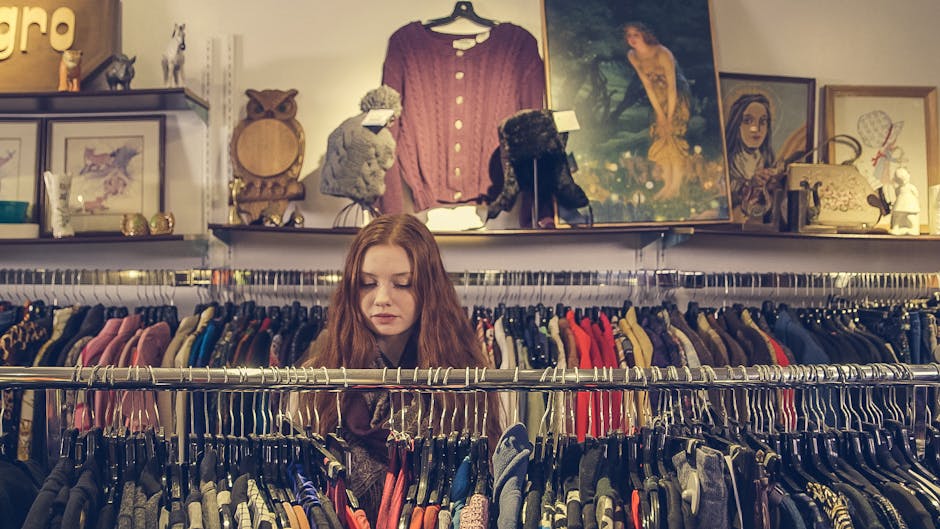
The 2010s Revival: From Cringe to Cash
Millennials who lived through the 2010s are perfectly positioned to capitalize on this trend. They own the authentic pieces—those Galaxy print leggings, oversized flannel shirts, and statement necklaces gathering dust in storage bins. More importantly, they understand the cultural context that makes certain items valuable.
Rent the Runway reported that 2010s-inspired pieces generated 23% more rental bookings than contemporary designs in late 2024. The platform’s “Nostalgia Collection” features recreations of iconic pieces from brands like Nasty Gal, Jeffrey Campbell, and Forever 21’s collaboration pieces that originally sold for under $30 but now command $150+ on resale markets.
The key items driving this trend include:
- Galaxy and cosmic print anything (leggings, crop tops, dresses)
- Chunky statement necklaces, especially colorful acrylic pieces
- High-low hemline dresses and skirts
- Oversized flannel shirts tied at the waist
- Platform shoes, particularly Jeffrey Campbell Lita boots
- Flower crowns and bohemian accessories
- Anything with studs, spikes, or geometric cutouts
The Rental Revolution: Why Millennials Are Choosing Access Over Ownership
Traditional fashion rental focused on special occasion wear, but the 2010s revival has created a new category: nostalgia rental. Platforms like By Rotation and HURR Collective report that vintage 2010s pieces rent for 60% more than similar contemporary items, with some pieces booked solid for months in advance.
Sarah Chen, a 29-year-old marketing manager from Seattle, launched her own rental business through By Rotation after discovering her collection of 2010s festival wear. “I had boxes of stuff from my college years—flower crowns, fringe tops, platform boots. I started renting them out as a joke, but I’m making $800 a month now,” she explains.
The economics work because rental addresses the fundamental problem with trend revival: people want to try the look without committing to owning pieces they might regret again. A galaxy print bodysuit that costs $120 to buy can be rented for $25-35 for a weekend, allowing renters to experiment with the aesthetic risk-free.
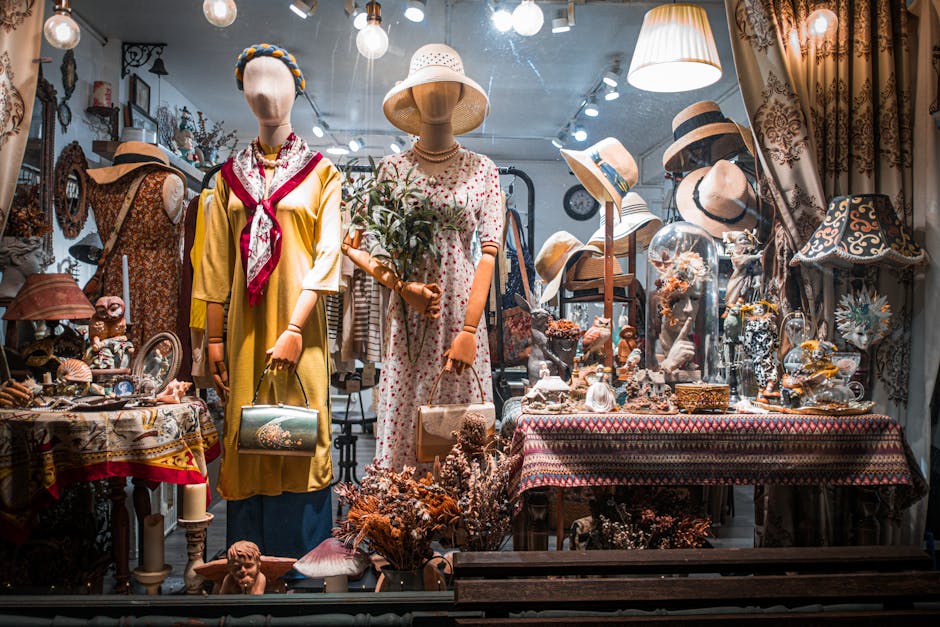
Platform Strategy: Where to List and What Actually Rents
Not all 2010s pieces are created equal in the rental market. Data from major platforms shows clear winners:
High-Demand Categories
Statement accessories lead the pack. Chunky necklaces from brands like J.Crew, Anthropologie, and indie designers rent for $15-25 per use and have utilization rates above 70%. Platform shoes, especially Jeffrey Campbell styles, command $30-45 per rental and stay booked.
Festival wear performs exceptionally well during peak season (April through September). Fringe tops, bohemian dresses, and flower crowns from Free People or similar brands can generate $200-400 monthly during summer months.
Platform Breakdown
- By Rotation: Best for high-fashion 2010s pieces and designer collaborations. Takes 15% commission but attracts users willing to pay premium prices.
- HURR Collective: Strong in the UK market, excellent for festival and party wear. 20% commission but provides insurance coverage.
- Rent My Wardrobe: Growing platform with lower fees (10%) but requires more self-marketing.
- Style Lend: Peer-to-peer focus, good for unique vintage finds and one-off pieces.
Pricing Strategy
The rental sweet spot for 2010s pieces sits between 15-25% of retail value for a 3-day rental. Premium items (designer collaborations, rare pieces) can command up to 35%. Factor in cleaning costs, platform fees, and wear-and-tear when calculating profitability.
Beyond Individual Rentals: Building a Nostalgia Business
Smart operators are thinking bigger than individual piece rentals. Complete 2010s “looks” rent for 40% more than individual items. Bundle a galaxy print dress with chunky jewelry and platform shoes for $65-85 per rental versus $25-30 for the dress alone.
Some entrepreneurs are sourcing additional inventory from thrift stores, estate sales, and clearance bins. The key is authentication—buyers can spot fast-fashion knockoffs versus genuine 2010s pieces. Original tags, specific brand details, and material quality matter more in nostalgia rental than regular fashion rental.
Consider specialization. Miami-based renter Jessica Rodriguez built a business around Y2K party wear, specifically targeting the city’s club scene. Her collection of metallic dresses, body chains, and platform boots generates $1,500 monthly because she understood her market’s specific aesthetic needs.
The 2026 Forecast: What’s Next for Nostalgia Fashion
Early indicators suggest the 2010s revival will peak in 2026, coinciding with the decade’s 10-year anniversary and continued TikTok influence. But smart operators are already looking ahead. Late 2010s pieces—think Instagram baddie aesthetics and early influencer style—represent the next wave.
The rental model has proven that millennials can monetize their fashion history while serving Gen Z’s desire to experiment with trends they missed. As the fashion cycle accelerates, this pattern will repeat with other decades, creating ongoing opportunities for those who understand how nostalgia translates to profit.
Start with what you own, focus on high-impact accessories and statement pieces, and remember: in fashion rental, authenticity isn’t just about the clothes—it’s about understanding the culture that made them meaningful in the first place.