





A Grammy, a Bode Suit, and a Party at Obama’s House
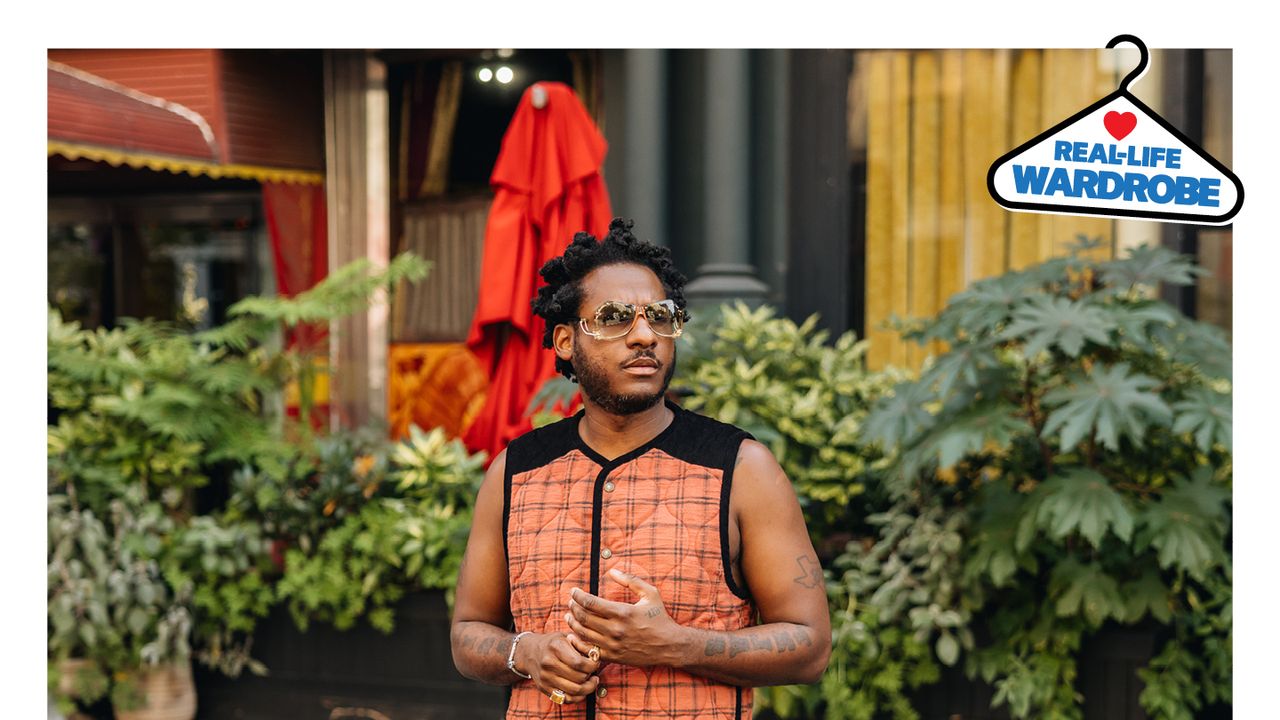
Leon Bridges has been making music that sounds like another era for over a decade, and it turns out his wardrobe has always operated the same way. The singer-songwriter, who recently released his album Happiness Anytime, has built a personal style around vintage clothing long before it became the default mode of every celebrity stylist’s mood board. His clothes, like his songs, are chosen with a specific past in mind.
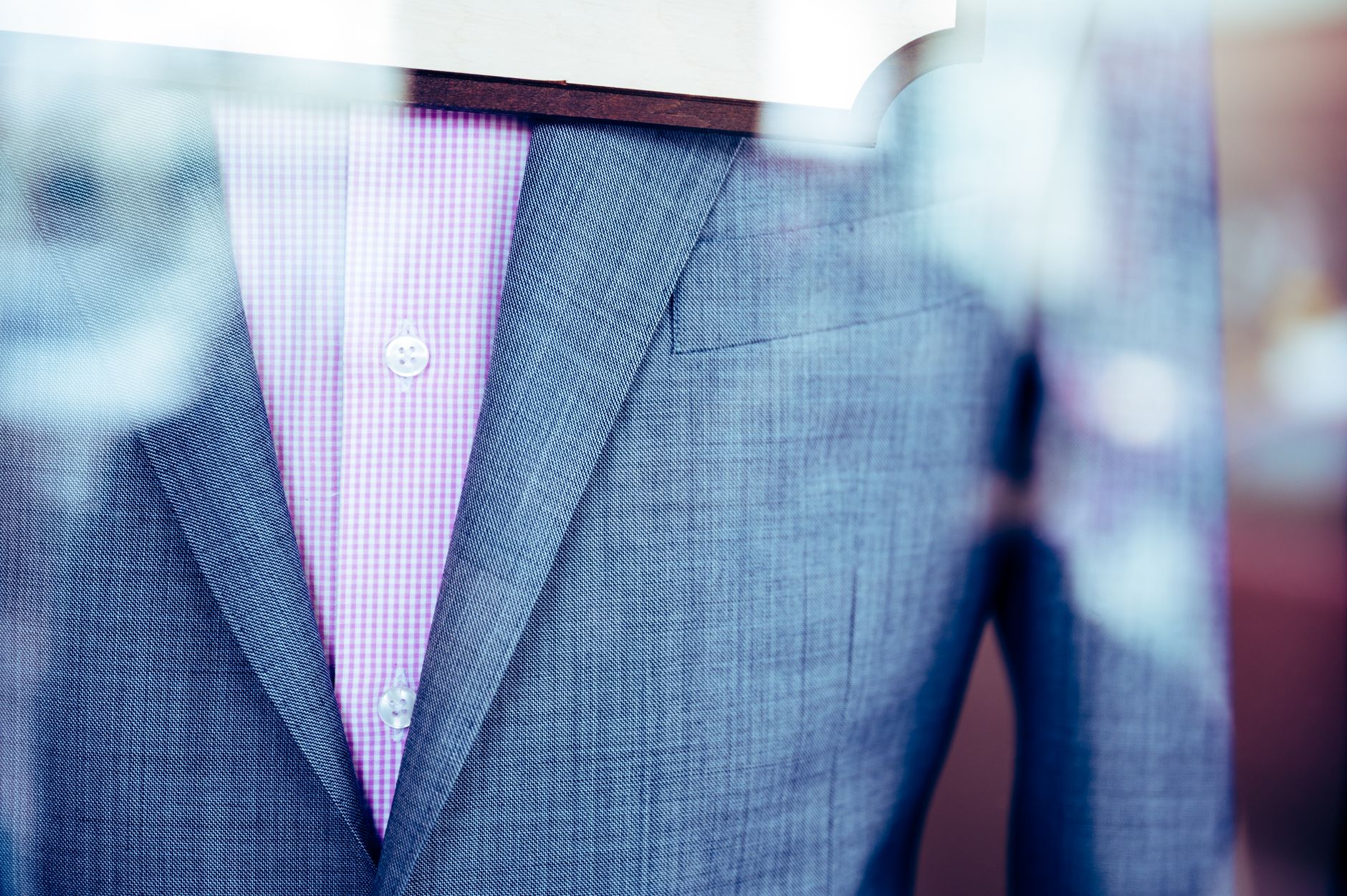
That sensibility came into sharp focus when Bridges wore a Bode look to the Grammy Awards – the night he finally took home his first win. It was a pairing that made sense on every level: Bode’s handcrafted, Americana-inflected aesthetic sitting squarely in the same emotional territory as Bridges’ music. The suit wasn’t a costume. It was a continuation.

The Vintage Habit That Never Left
Bridges’ affinity for vintage clothing isn’t a phase or a publicist-approved talking point. It’s a longstanding practice – the kind that starts in record stores and thrift shops and eventually shapes how a person moves through the world. For Bridges, the appeal of older garments has always been about texture and specificity. A shirt from the 1970s carries a weight, literally and otherwise, that a new one rarely matches.
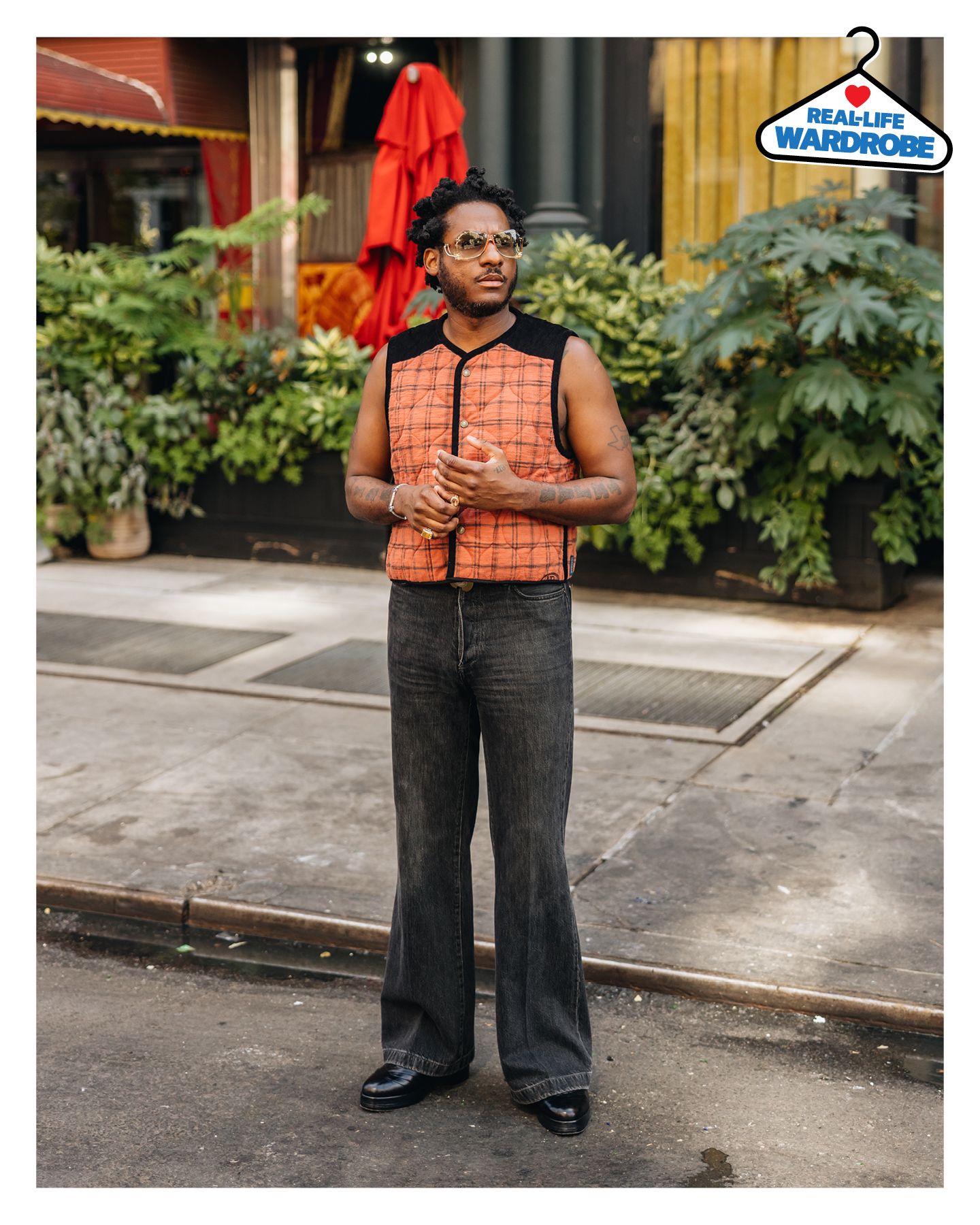
That instinct has only sharpened over time. Where some artists lean into whatever a brand is paying them to wear, Bridges has maintained a personal logic to his dressing – one that prioritizes feeling over trend. Vintage pieces don’t just fit his aesthetic; they fit the internal grammar of who he is as an artist, someone whose reference points run decades deep and whose debut album, Coming Home, drew comparisons to soul recordings from the 1960s.

Meeting Paul McCartney at President Obama’s Birthday Party
Not every detail in Bridges’ recent profile fits neatly into a style narrative, but some of them are simply too good to reduce to context. Among them: Bridges met Paul McCartney at President Obama’s birthday party. That sentence contains more cultural density than most people accumulate in a lifetime, and yet for Bridges it reads as a chapter rather than a climax.
It says something about the circles he now moves in – rooms where musical history is not abstract but present, sometimes literally standing next to you holding a drink. Bridges came up through Fort Worth, Texas, working service jobs before his music career caught momentum. The distance between that starting point and a birthday party where Paul McCartney is a guest is not something most artists close in a single decade.
What makes the detail interesting from a style perspective is the implicit dress code: Obama’s birthday party is a specific kind of occasion, one that demands you show up as yourself at your most considered. Bridges has spoken about wanting his clothes to reflect who he actually is rather than perform a version of celebrity. That discipline matters more in rooms like that one than at any red carpet where the lighting is designed to flatter.
The Bode Grammy moment fits the same logic. Bode, the New York label founded by Emily Adams Bode Aujla, works almost exclusively with repurposed and deadstock fabrics – antique quilts, vintage menswear shirting, old upholstery. It is, in the most literal sense, a label built from vintage material. For someone who has always gravitated toward clothes with prior lives, wearing Bode to the biggest night of his career reads less like a style choice and more like a statement of consistency. Other artists have used major cultural moments to make similar declarations through dress, but Bridges’ version had the advantage of being entirely in character.
Happiness Anytime and the Artist He’s Becoming
His new album, Happiness Anytime, arrives at a point in Bridges’ career when his identity – musical and personal – is fully formed enough to bear weight. He’s no longer the artist being introduced; he’s the one setting terms.
The title itself suggests a certain ease, a loosening from the pressure of living up to the critical reception that followed Coming Home and the subsequent albums that expanded his sound. Whether the music delivers on that looseness is a separate question, but as a posture, it aligns with someone who has learned to dress for himself rather than for the moment.

What the Clothes Actually Say
Style, when it works, is autobiography without explanation. Bridges doesn’t appear to over-narrate his wardrobe – he just wears what he wears, consistently, with enough conviction that the through line becomes visible over time. Vintage silhouettes, considered tailoring, Bode on the biggest night of his professional life so far. None of it requires decoding.
The Grammy win matters because it’s the industry’s formal acknowledgment of what listeners already knew. But the Bode suit matters for a different reason: it’s evidence that Bridges arrived at that moment as himself, unchanged by the occasion. Which raises the more interesting question – now that the first Grammy is on the shelf, what does he wear to the next one?