






The Thrift Economy Has a New Power Problem
Shopping for a faded 1994 Nirvana tee or a pair of worn Levi’s 501s has never been more convenient. Dozens of listings appear within seconds on any resale platform, priced and photographed with the kind of care that used to belong exclusively to boutique owners who spent weekends digging through Goodwill bins. The supply looks abundant. The access looks democratic. What’s harder to see from the buyer’s side is how badly the seller’s side is fracturing.
Independent vintage resellers – the people who built this market through years of thrift store runs, estate sale negotiations, and a trained eye for what would eventually sell – are increasingly finding themselves cut out of the very ecosystem they helped create. The vintage economy didn’t disappear. It got professionalized, scaled, and in many cases, taken over by the institutions that used to be their cheapest suppliers.

How the Pipeline Got Disrupted
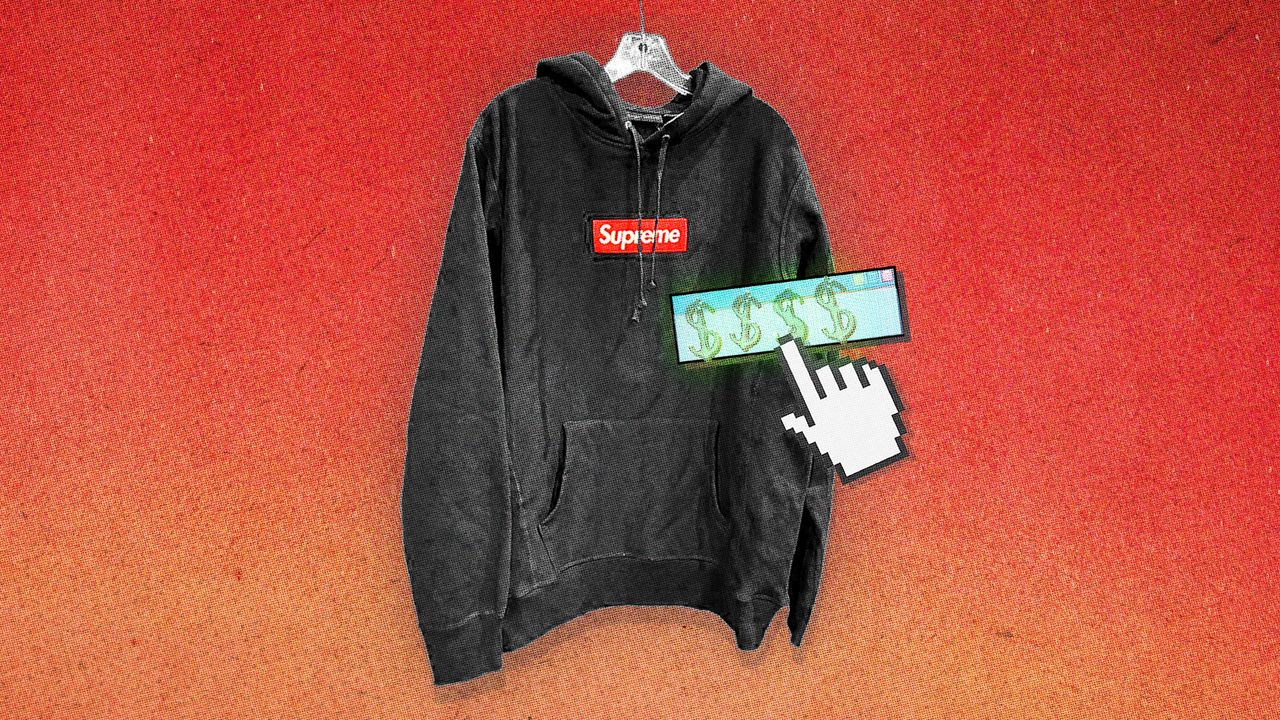
For years, the reseller model ran on a simple arbitrage: find underpriced goods at donation-based thrift stores, clean them up, research them, and sell them at a fair market rate to buyers who didn’t want to spend hours doing the same work. Goodwill and similar organizations were the starting point, not the competition. That’s changed. Thrift chains have become increasingly aware of what their donated inventory is actually worth, and pricing has shifted accordingly – in some locations dramatically so. The gap between what a reseller pays at intake and what they can reasonably charge on the back end has narrowed to the point where the math stops working.
It’s not just pricing pressure from thrift stores themselves. The online resale market has grown crowded enough that ’90s band tees and vintage denim – the two categories that once anchored independent reseller income – are now listed in such volume that standing out requires either a highly specific niche, a significant social media presence, or both. Finding the item was never the only skill. Moving it, pricing it, and reaching the right buyer always mattered. But the barrier to entry on the selling side has risen even as the sourcing side got harder.
The Platforms Didn’t Stay Neutral
Resale platforms that initially positioned themselves as tools for independent sellers have matured into marketplaces with their own commercial logic. Algorithms reward volume and consistency. Sellers who list occasionally or seasonally – the way most independent resellers operate – get less visibility than accounts that list daily. The practical effect is that small operators compete not just against each other but against larger resale operations that function more like small warehouses than weekend side hustles.
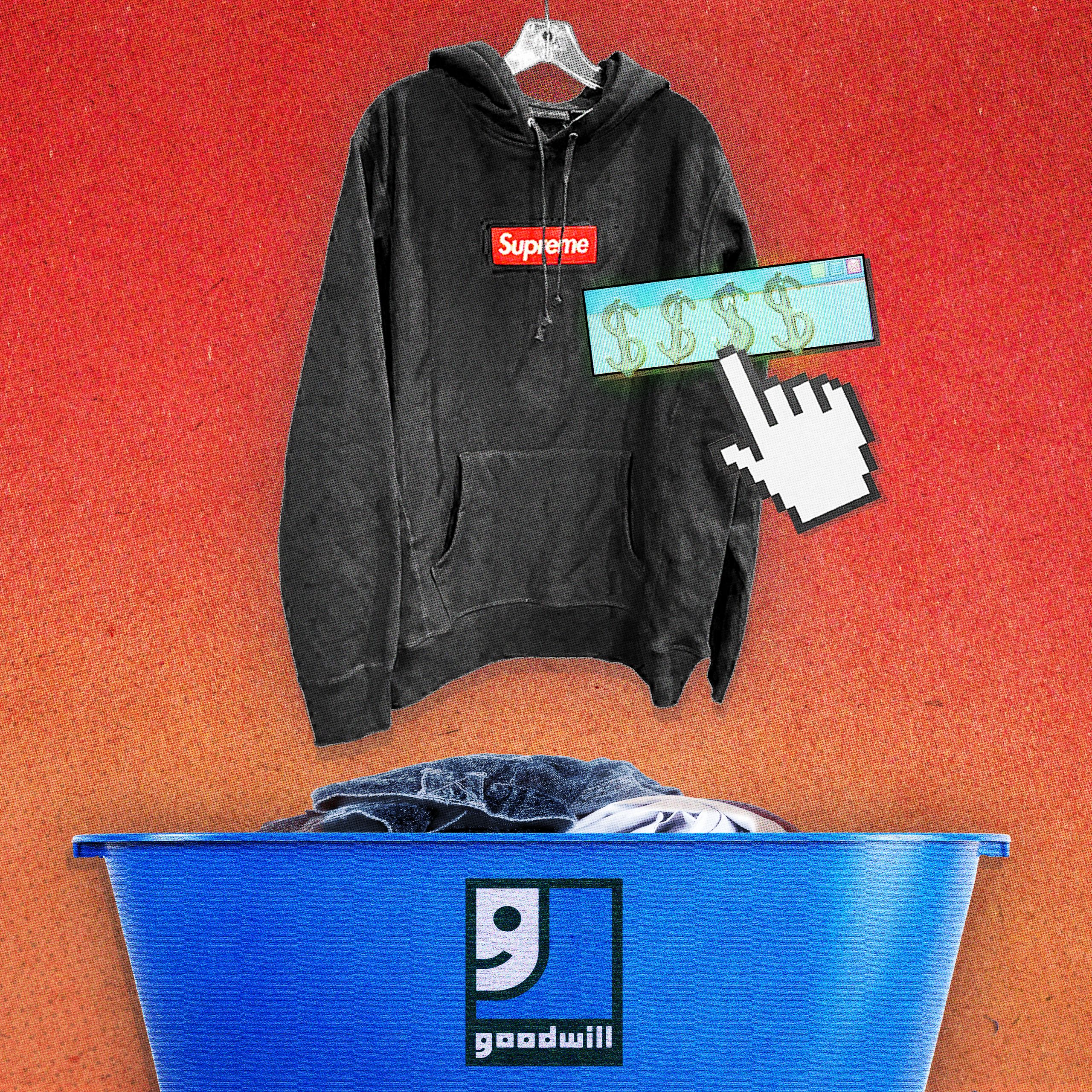
Goodwill itself has an eBay storefront. That single fact explains a lot. When the donation-based organization that prices your sourcing inventory also sells finished product in the same digital marketplace where you’re trying to move goods, the structural disadvantage for independent resellers becomes concrete rather than abstract. Goodwill has the sourcing infrastructure, the brand recognition, and none of the margin pressure that comes from needing to turn a profit on every single item.
The 1990s nostalgia cycle also created a specific problem by turning vintage into a trend category rather than a niche one. When band tees from that decade became broadly desirable – driven partly by celebrity styling, partly by TikTok aesthetics – the pool of people sourcing them expanded dramatically. A Metallica or Rolling Stones shirt that a reseller might have found for two dollars five years ago now gets pulled by thrift store employees who recognize it before it hits the floor, routed to internal pricing systems that reflect current resale values. The knowledge gap that once gave independent resellers their edge has essentially closed.
What’s left for independent operators is increasingly the stuff that doesn’t fit the algorithm – obscure regional band shirts, unusual silhouettes, dead-stock items that require real expertise to identify and contextualize. That’s a viable niche, but it’s a much smaller one than the broad vintage market that sustained many resellers through the 2010s. Building a business on deep obscurity requires a different kind of customer, and finding that customer reliably is its own ongoing challenge.

Who Actually Benefits From Vintage’s Popularity
The cruel irony is that the cultural legitimacy of vintage clothing – its acceptance as a genuine style category rather than a budget option – arrived just as the economics for individual resellers worsened. Vintage is now stocked by major retailers in the form of “curated” sections. Luxury resale platforms have normalized four-figure prices for archival pieces. The aesthetic won. The people who spent years building taste and knowledge around it are not necessarily the ones collecting the upside.
Larger resale operations with capital to invest in inventory at scale, storage, and marketing have absorbed a meaningful share of what was once distributed across thousands of independent sellers. The vintage market didn’t shrink – it consolidated, the way most markets do when they mature and attract institutional attention.

Where Independent Resellers Go From Here
Some have adapted by moving away from platforms entirely, selling through Instagram or at in-person markets where relationships and curation matter more than search ranking. Others have narrowed their focus to categories where scale buyers have less interest – workwear, deadstock sportswear, specific regional or subcultural items that don’t perform well in algorithmic search but sell reliably to the right audience. Neither path is easy, and neither offers the relatively open market that existed even a decade ago.
The people most likely to survive in independent vintage reselling going forward are those treating it less like a sourcing-and-flipping operation and more like a specialist retail business – with a defined aesthetic, a consistent customer, and a reason to exist beyond price arbitrage. That requires a different skill set than the one that made reselling accessible to so many people in the first place. The ease of finding ’90s denim online right now is, in a way, a monument to the market these sellers built. Whether they get to keep building it is a separate question entirely.
The next time someone lists a perfectly faded concert tee from 1993 for thirty-eight dollars and it sells in under an hour, it’s worth asking who actually sourced it, who priced it, and whether they’ll be able to do it again next season at the same margins.