





A Deal That Costs More Than It Buys
The United States says it is close to an agreement with Iran that would end the current standoff – a statement that, on its surface, sounds like diplomatic progress. But the shape of any deal that Tehran would actually sign is one Washington would have struggled to publicly defend even a year ago, because Iran’s negotiating position has not weakened. It has hardened, and the geography of the Persian Gulf is a large reason why.
Tehran’s ability to close the Strait of Hormuz – the narrow channel through which roughly a fifth of the world’s oil supply moves – gives Iran a form of economic leverage that no amount of sanctions architecture has managed to neutralize. That leverage does not disappear at the negotiating table. It sits at the head of it.
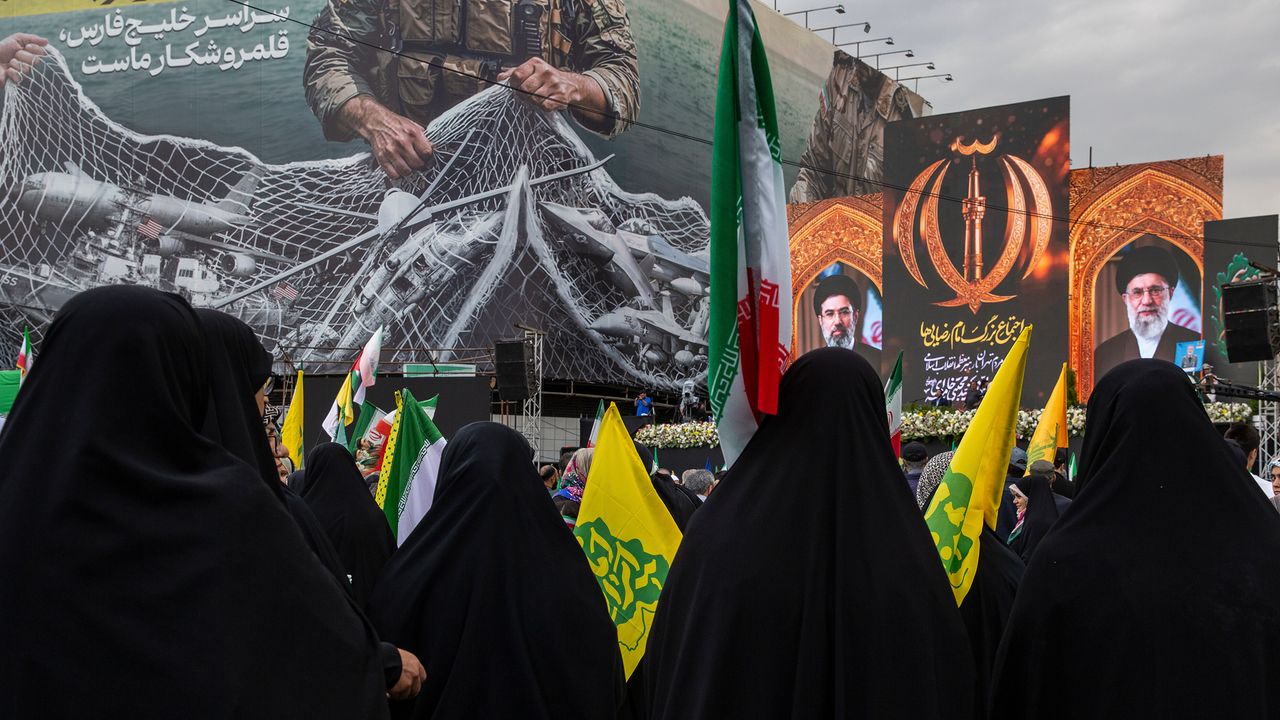
What the Strait of Hormuz Actually Means
The Strait of Hormuz is not a talking point. It is a 21-mile-wide chokepoint between Iran and Oman, and its closure – even a credible threat of closure – is enough to send oil markets into a panic. Iran has threatened to block the strait multiple times over the past two decades, and the global economy’s continued exposure to that threat means the threat remains functional. Sanctions have squeezed Iran’s economy, but they have not relocated its coastline.
When the U.S. and its partners imposed successive rounds of sanctions on Iran, the underlying logic was that economic pain would eventually force Tehran into a position of weakness at the negotiating table. What that logic did not fully account for was Iran’s parallel ability to impose economic pain of its own – not through trade or finance, but through the physical control of a maritime corridor that the entire industrialized world depends on. That asymmetry has never been resolved, and it is part of why reaching a deal that looks like a Western win has remained so difficult.
The regime’s hard-liners – those inside Iran who have consistently opposed any agreement that meaningfully curtails the country’s nuclear or military posture – have used this dynamic to consolidate their argument. Every year that passes without a deal that breaks Iranian leverage is a year that validates their position: that holding firm, rather than conceding, produces better outcomes. The closer the U.S. gets to an agreement, the more that agreement tends to reflect the limits of American pressure rather than its success.
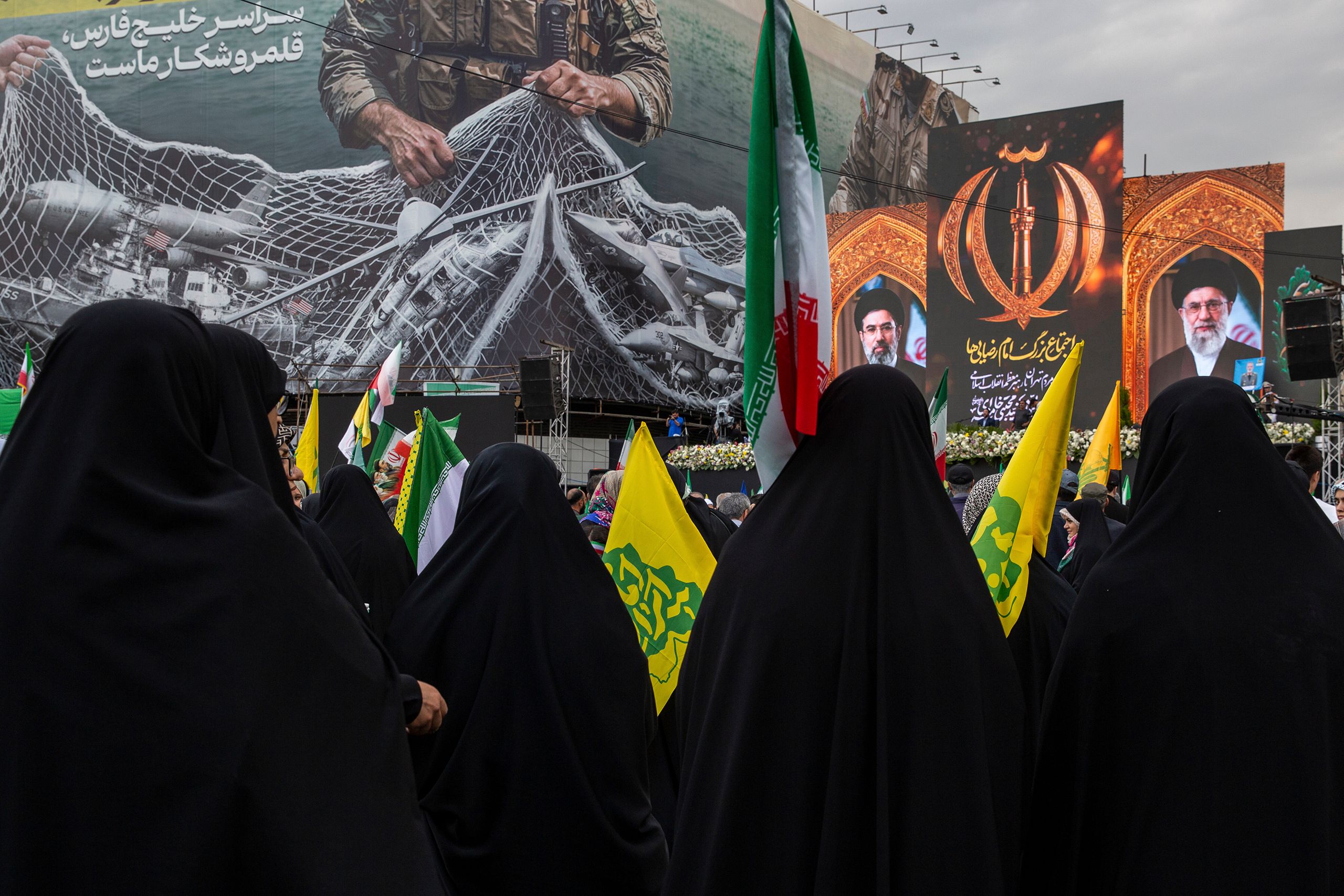
The Political Cost Inside Washington
For the Trump administration, the bind is specific. The original exit from the 2015 Joint Comprehensive Plan of Action – the nuclear deal negotiated under the Obama administration – was sold to domestic audiences as a rejection of a bad deal in favor of a better one. Maximum pressure, the argument went, would bring Iran to the table in a fundamentally weaker position, producing terms that were more favorable to the United States and its regional allies.
That has not happened. Any deal now in circulation would almost certainly allow Iran to retain significant nuclear infrastructure, because Iran’s program has advanced considerably since 2018 and demanding a return to 2015 conditions is no longer realistic. Accepting those terms would not look like a better deal than the one that was torn up. It would look like a worse one – arrived at after years of pressure that failed to move the needle in the direction promised.
Hard-Liners as the Structural Beneficiary
Inside Iran, the political map has shifted in ways that make moderation harder to sustain and easier to attack. The hard-liners – factions that have long argued the West will only respect power, not compromise – have watched the past several years produce a version of events that fits their narrative almost perfectly. Iran refused to capitulate. The United States, for all its pressure, has been unable to force a settlement on its own terms. And now it is back at the table.
That sequence of events does not strengthen the hands of Iranian officials who might want a more open relationship with the West. It strengthens the argument that the current approach – defiance backed by strategic geography – is what actually works. Any deal signed under these conditions is one the hard-liners can describe, not entirely inaccurately, as confirmation that their strategy was correct.
The regime’s ability to hold the global economy hostage through Hormuz is not separate from this political dynamic – it is the foundation of it. Oil-dependent economies in Asia, Europe, and beyond have their own reasons to want the strait kept open, reasons that create quiet pressure on the United States to reach some kind of agreement rather than allow the standoff to escalate. Tehran reads that pressure clearly.
What makes the situation genuinely uncomfortable for Washington is that the tools it has available – additional sanctions, military posturing, diplomatic isolation – have largely been deployed already and have not produced the desired shift. A fresh round of maximum pressure would have to clear a higher bar than the last one to be credible, and the appetite for military escalation in a region already stretched thin is limited on all sides. The deal being discussed, whatever its final terms, will be evaluated against the promise of 2018. That is not a comparison the current moment is positioned to win.

Iran has not moved its coast.