




For a long time, the route to writing recipes for a living had three recognizable entrances. You worked your way up through a restaurant. You worked your way up through a food publication. Or you landed a TV show. Each one took years, and each one had somebody standing at the door deciding whether you got in.
The new route is shorter to describe: you post to the feed. That one sentence rearranges who gets to be an authority on cooking, and it explains why a question like “Do you have to be on Instagram to be a chef?” no longer sounds absurd. It sounds like a job-market question.
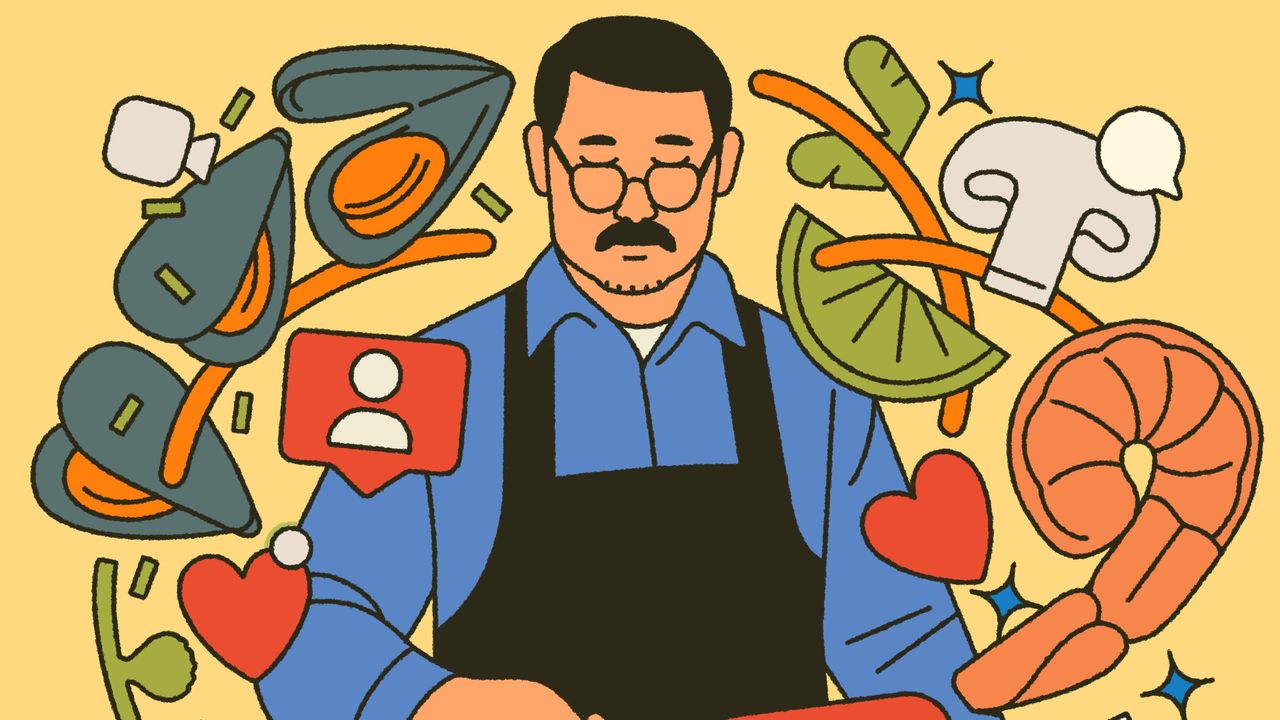
Three doors, three kinds of gatekeeper
Each of the old entrances tested something different. A restaurant kitchen tests stamina, speed and the ability to repeat a dish perfectly at 9 p.m. on a Saturday. A food publication tests whether you can write a recipe that a stranger can follow in a home kitchen, which is a separate skill from cooking well. A TV show tests whether you can hold a camera’s attention while a pan heats up behind you.
What they shared was a queue. Someone senior watched you work, read your copy or sat through your audition, and then either moved you forward or didn’t. That process was slow and often unfair, but it did produce a rough sorting of the people who ended up with their names on recipes. The feed has no queue. Anyone can publish today, and the audience, not an editor or a head chef, does the sorting afterward.
What a feed rewards
A feed is a visual medium that moves fast, and it rewards what looks good in motion and registers in a second or two. A dish with a dramatic pull, a glossy finish or a satisfying transformation has an advantage over a dish that is merely excellent. That has nothing to do with whether the cook can run a line or write a clear method. It has to do with whether the food photographs well and whether the person making it is watchable.
This changes the apprenticeship. In a kitchen, the early years are spent on tasks nobody sees: breaking down cases of vegetables, learning to season by instinct, absorbing the logic of a station. On a feed, the early years are spent in public, with every attempt visible and every misstep available for comment. The skills being built are different, and so is the kind of reputation that results.
There is a practical upside that deserves credit. A cook with no restaurant pedigree, no connections at a magazine and no television agent can now show a body of work to thousands of people without asking permission. For anyone who found the old doors closed, that is a real opening. Recipes that once would have stayed in a family notebook can find an audience on their own merits.
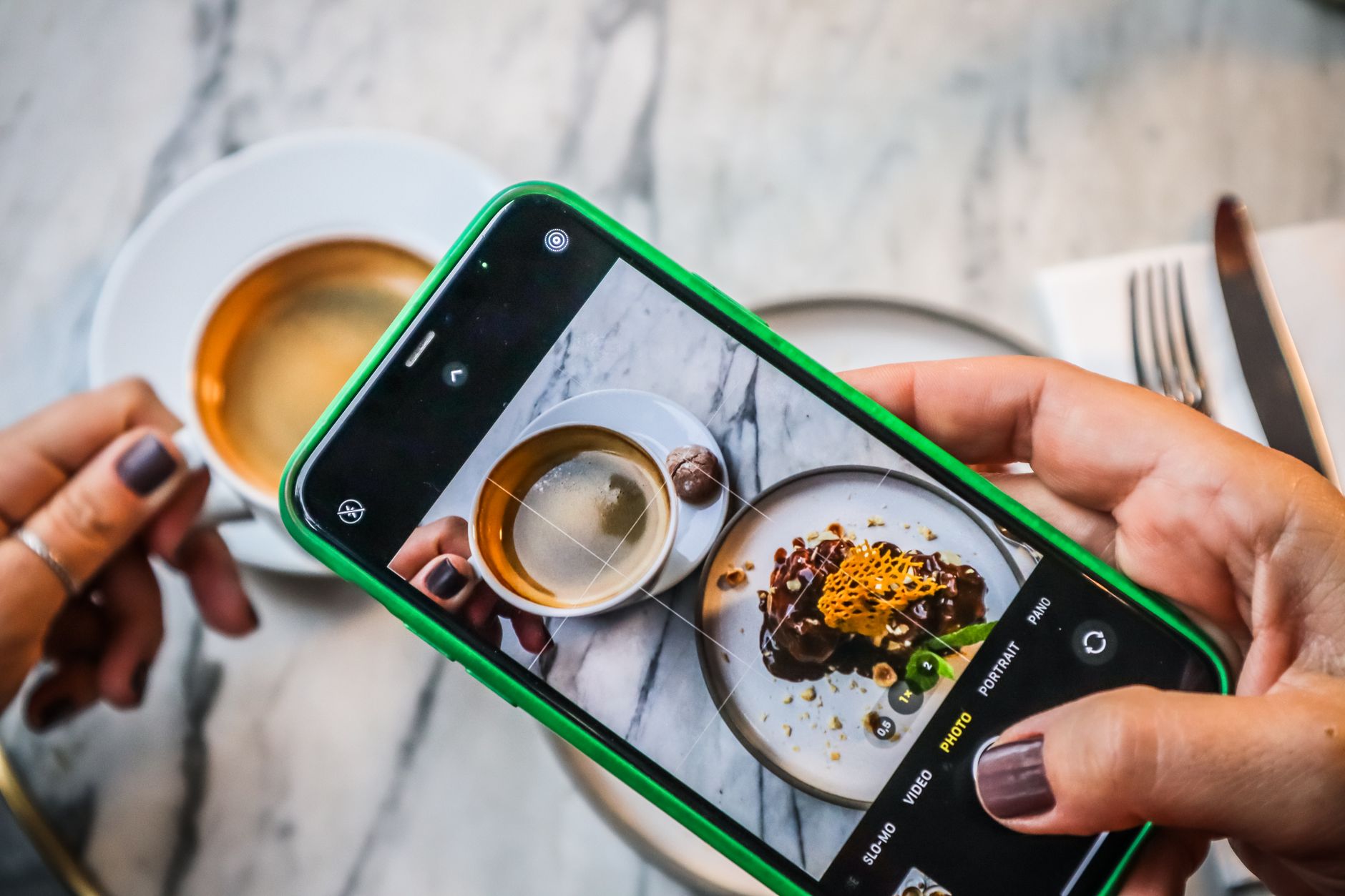
The cost is that the recipe itself can get thinner. A caption has limited room for the details that make a recipe reliable: pan size, resting time, what the dough should feel like at the halfway point. A clip can show a result without teaching the method. Followers can end up admiring a dish they could never reproduce.
Chef, writer, or content producer
The word “chef” has stretched to cover all of this. It once pointed to someone who ran a kitchen. It now also describes people who have never worked a service and whose primary product is a stream of posts. Neither use is wrong, but they are no longer interchangeable, and readers deserve to know which one they are following.
The title question also hides a second one about time. A person who cooks, shoots, edits, writes captions and answers comments is doing several jobs at once, and only one of them is cooking. Every hour spent managing a feed is an hour not spent at the stove or at the keyboard writing a tested recipe. Whether that trade pays off depends on what the person wants to be known for.
The question left on the pass
The old ladder is not gone. Restaurants still train cooks, publications still edit recipes, and television still hands out shows. What has changed is that none of them is required. The feed can lead into those places, or it can replace them, and the people who succeed there are building a different kind of career than the one their predecessors had.
That raises a question for anyone starting out. If a cook can build an audience first and learn the craft in public, does the craft still get learned? Or does the audience reward something else, and the craft becomes optional?
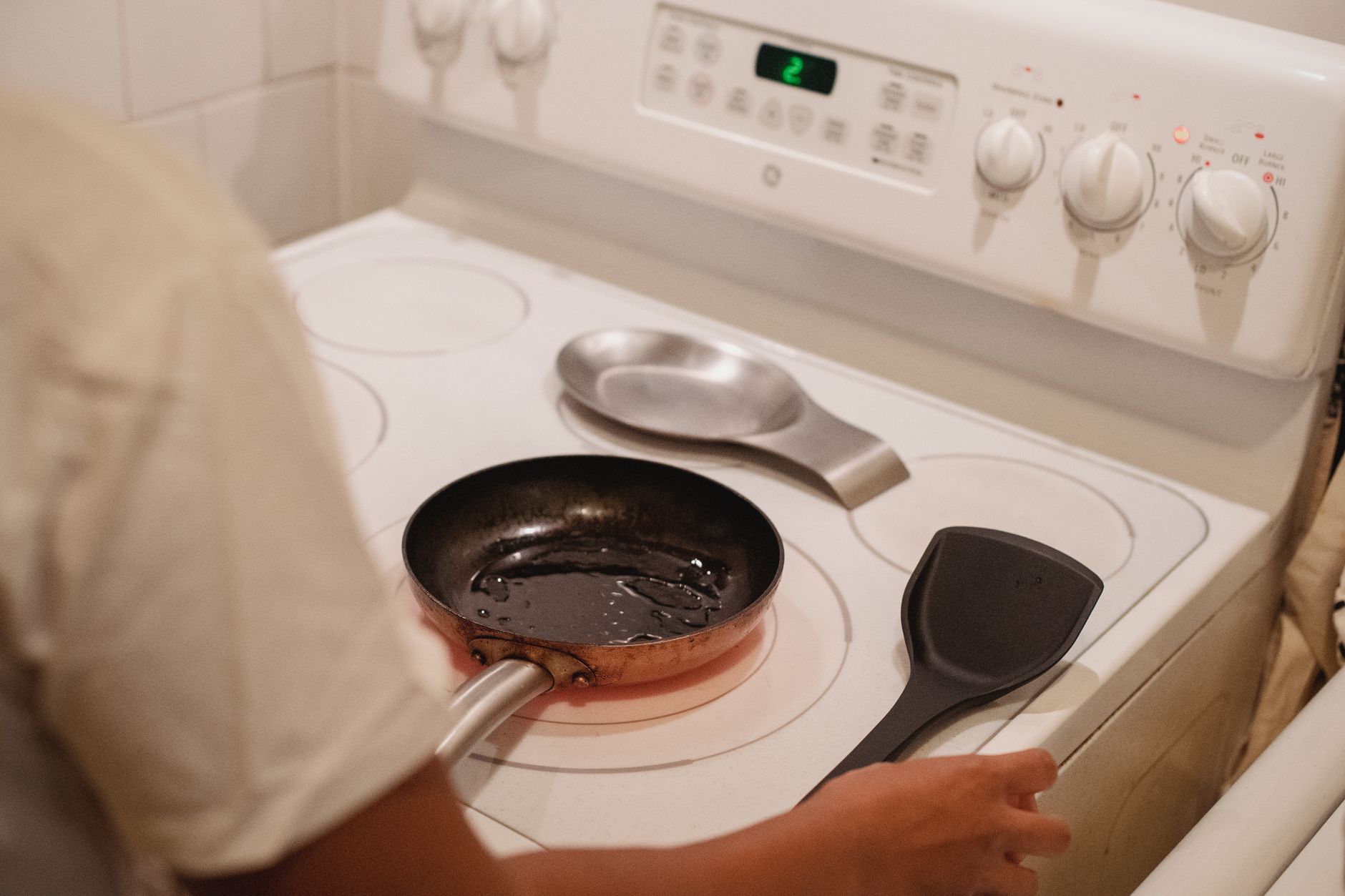
Somewhere right now, a cook is propping a phone against a flour canister and framing the pan so the steam shows. Whether that clip is the first step toward a kitchen of their own, or a substitute for ever having one, is the thing no feed can answer for them.