






From Manual to Autonomous: The Shrike Gets a Brain
The Shrike FPV drone costs $400. It carries an explosive payload. Ukrainian operators have already used it to destroy Russian armored vehicles on the ground and intercept military helicopters in the air. Now, starting in mid-July 2026, the Ukrainian military began receiving a new version of the same aircraft – one that no longer needs a human hand on the controls to complete its final approach to a target.
The upgrade comes from a partnership between Ukrainian drone manufacturer SkyFall and US autonomy company Auterion, which built the AI hardware and software stack responsible for the new capability. The two companies plan to deliver 50,000 Shrike drones equipped with Auterion’s Skynode S strike kits over the coming months – a volume that, if realized, would make this one of the largest deployments of autonomous targeting hardware in an active conflict.
That number – 50,000 – is not a production target. It is a delivery commitment already in motion.

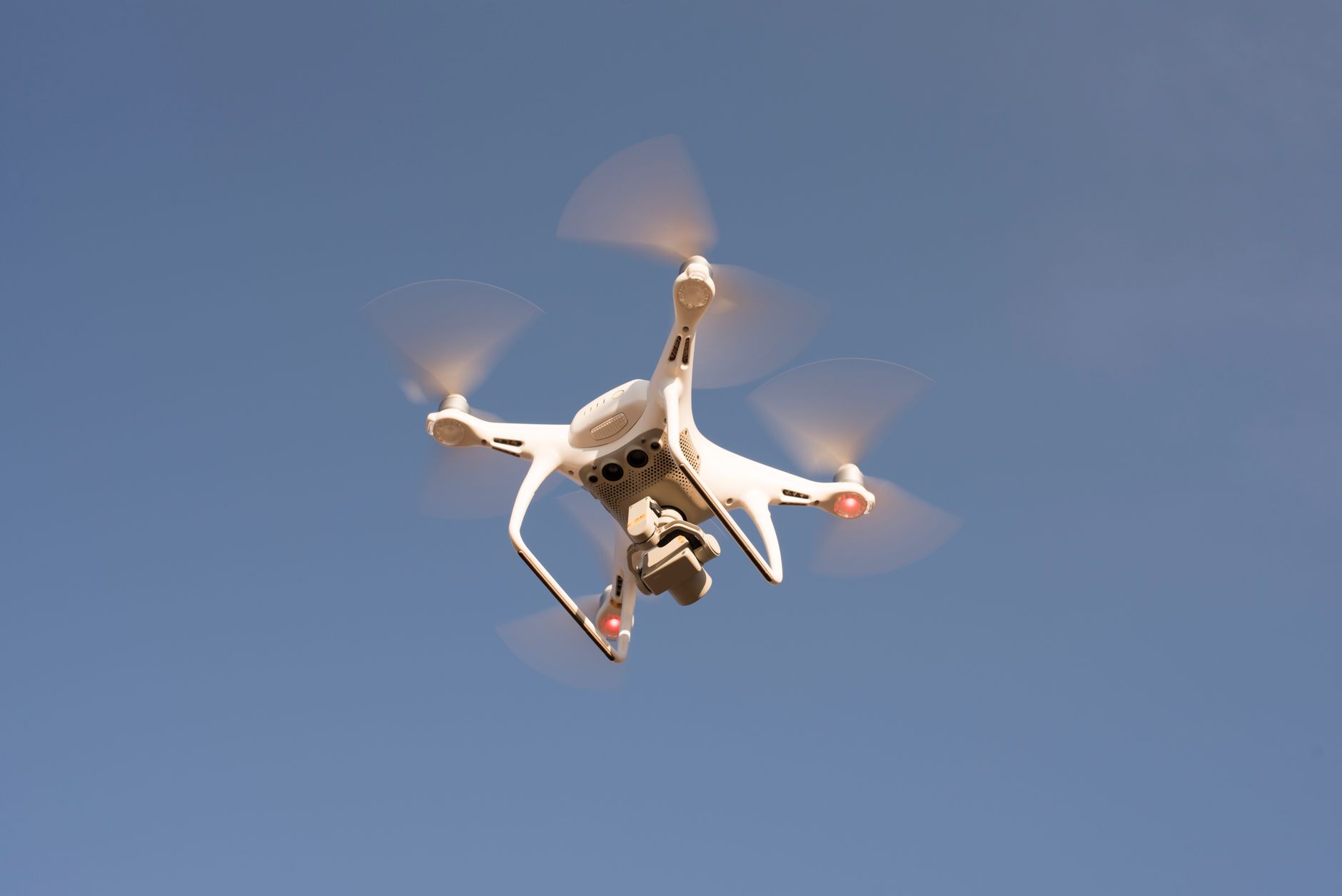
The mechanics of how the system works reveal something important about where consumer-grade drone technology has arrived. A human operator still flies the drone manually in first-person view into the general area of a battlefield. Once in range – up to half a mile from the designated target – the operator identifies what they want to hit and switches modes. At that point, Lorenz Meier, co-founder and CEO of Auterion, describes it plainly: the operator can “flip the switch to turn it into fire-and-forget terminal guidance mode.” From there, the drone tracks and homes in on a moving target on its own, without further input.
What Auterion has built is not a fully autonomous weapons system in the sense of a drone that hunts and selects targets from scratch. The human still chooses the target. The human still initiates the engagement. The AI takes over only at the terminal phase – the final guidance window between target designation and impact. That distinction matters technically, and it will almost certainly matter legally as international norms around lethal autonomy continue to lag behind what engineers are actually shipping.
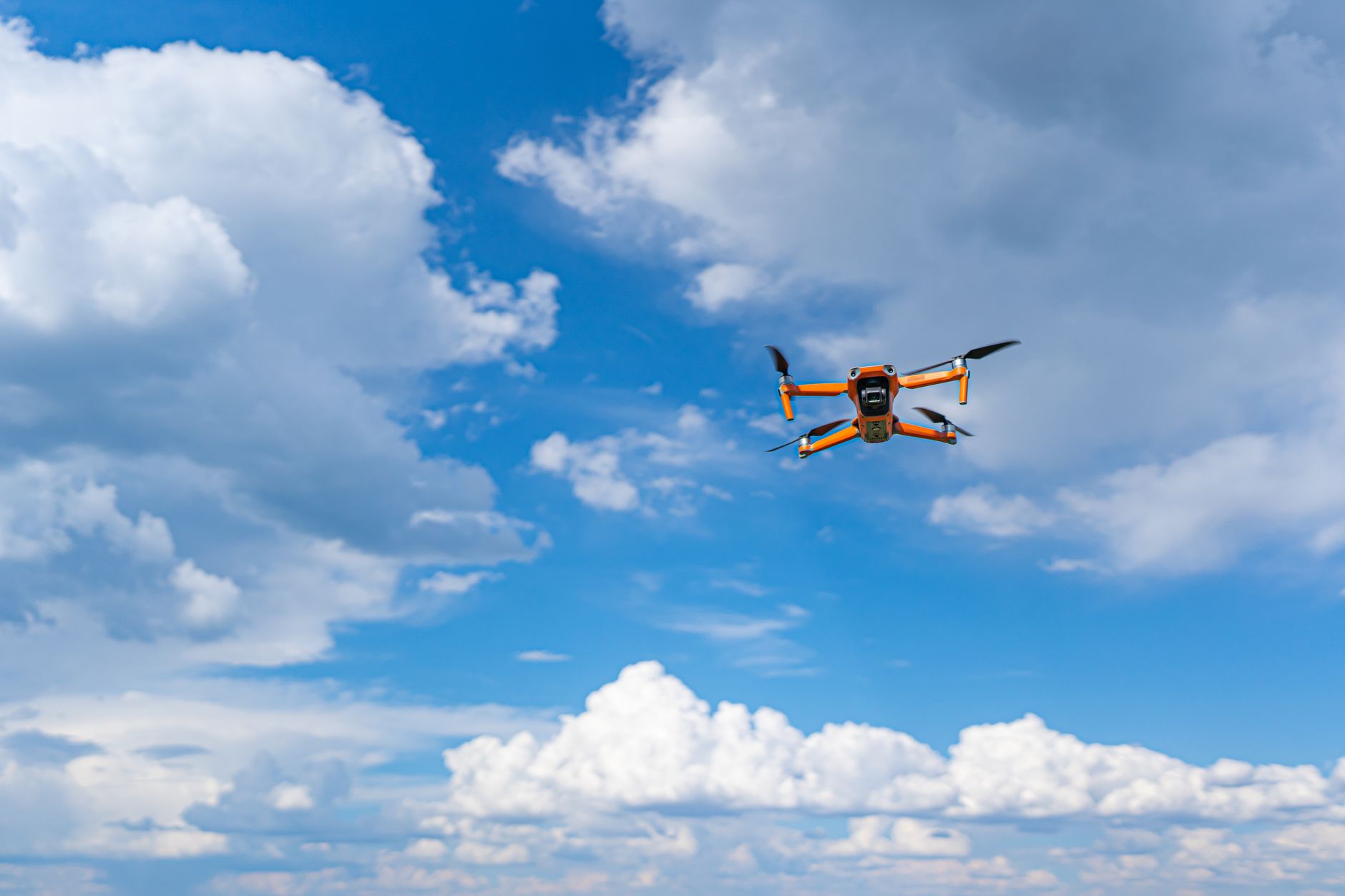
The Skynode S strike kit is the hardware doing the work here. Auterion has not published detailed specifications on the chip architecture or sensor suite involved, but the product is designed to slot into the existing Shrike platform without a fundamental redesign of the airframe. The $400 price point of the Shrike stays meaningful only if the autonomy upgrade does not price the drone out of the disposable-weapon economy that makes FPV strikes operationally viable at scale.
Why Cheap Drones Needed This Particular Problem Solved

FPV drones have dominated a specific visual grammar of the Ukraine conflict – shaky first-person footage, close-range explosions, vehicles catching fire in open fields. What that footage does not show is how often electronic warfare disrupts the radio link between operator and drone before the strike lands. Russian forces have invested heavily in jamming systems that cut that connection. A drone that can complete its terminal run autonomously after losing signal is, in that context, a direct countermeasure to an existing Russian tactical advantage.
Meier’s fire-and-forget framing captures the operational logic clearly. The half-mile autonomous targeting range creates a buffer: the operator designates, disconnects from the outcome, and the drone handles the geometry of closing distance to a moving vehicle or aircraft on its own. For helicopter interceptions especially – where the target is airborne, fast, and presents a narrow engagement window – manual FPV control has obvious limits that an AI guidance layer directly addresses.
Auterion’s involvement also reflects how US defense-adjacent tech companies have found a specific lane in the Ukraine conflict: not as weapons manufacturers, but as software and autonomy vendors whose products get embedded into hardware built elsewhere. The Shrike remains a Ukrainian drone, built by a Ukrainian company. What Auterion is selling is the decision-making layer that runs on top of it – and that layer, much like AI pushing into other high-stakes professional domains, is now making calls that were previously reserved for humans.
The swarm dimension complicates this further. Auterion has referenced future swarm attack capability as part of the broader Skynode roadmap, though the current 50,000-drone delivery is focused on the individual fire-and-forget function rather than coordinated multi-drone behavior. But the infrastructure for swarm operations – shared hardware platform, networked autonomy architecture – is the same infrastructure being installed across those 50,000 units right now.
The Hardware Economy Behind Autonomous Strike Drones
The $400 baseline cost of the Shrike is what makes the entire model function. Major military drone programs from established defense contractors frequently run into the hundreds of thousands or millions of dollars per unit, with procurement timelines measured in years. The FPV kamikaze drone inverts that model entirely: the drone is the munition, it is expected to be destroyed on use, and the economics only work if unit cost stays low enough to absorb attrition at scale. Adding AI autonomy to that equation requires that the Skynode S hardware not collapse the cost structure that makes mass deployment possible in the first place.
SkyFall and Auterion have not disclosed the per-unit cost of the Skynode S strike kit or the final price point of the upgraded Shrike. The 50,000-unit delivery commitment suggests both companies have confidence the economics hold. Whether the AI upgrade meaningfully changes the per-strike cost – and whether that cost remains competitive with the jamming and interception systems arrayed against it – is the operational question that the next several months of deployment will answer.
What is already clear is that mid-July 2026 marked the moment this moved from development to field deployment. Ukrainian units are receiving these drones now. Russian armored vehicles and helicopters that were already targets of $400 explosive-laden aircraft now face the same hardware with an autonomous terminal guidance layer attached. The Shrike that needed a human to stay connected all the way to impact no longer does.